Contacts

Winnipeg, Manitoba.

+1 204 417 5843

Category: EVENTS

EVENTS

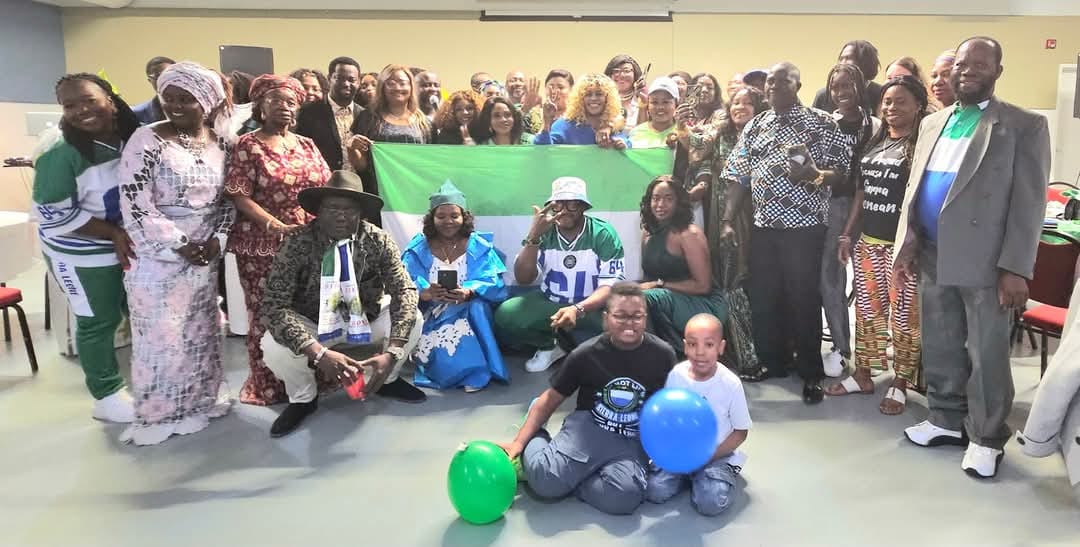
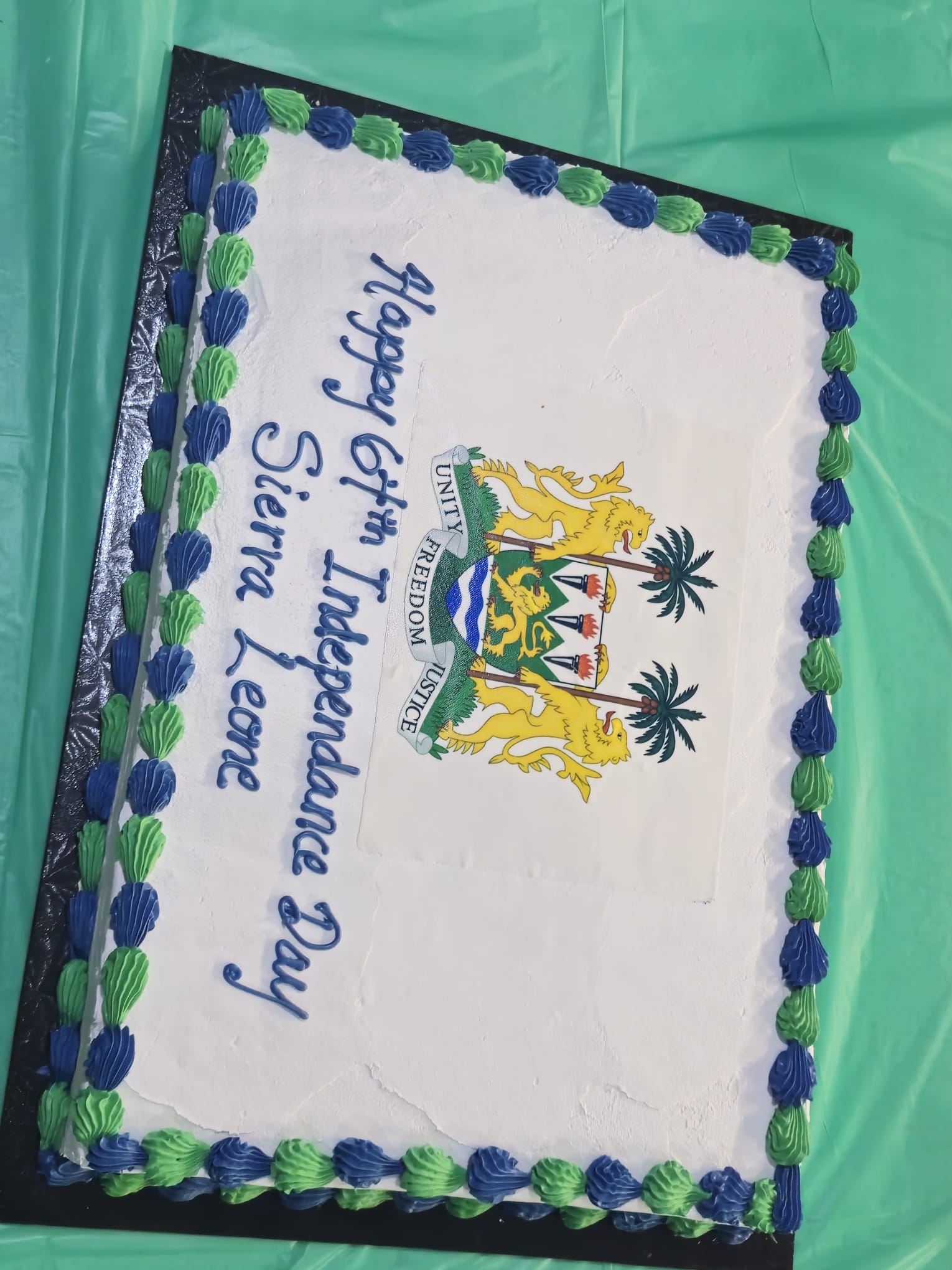
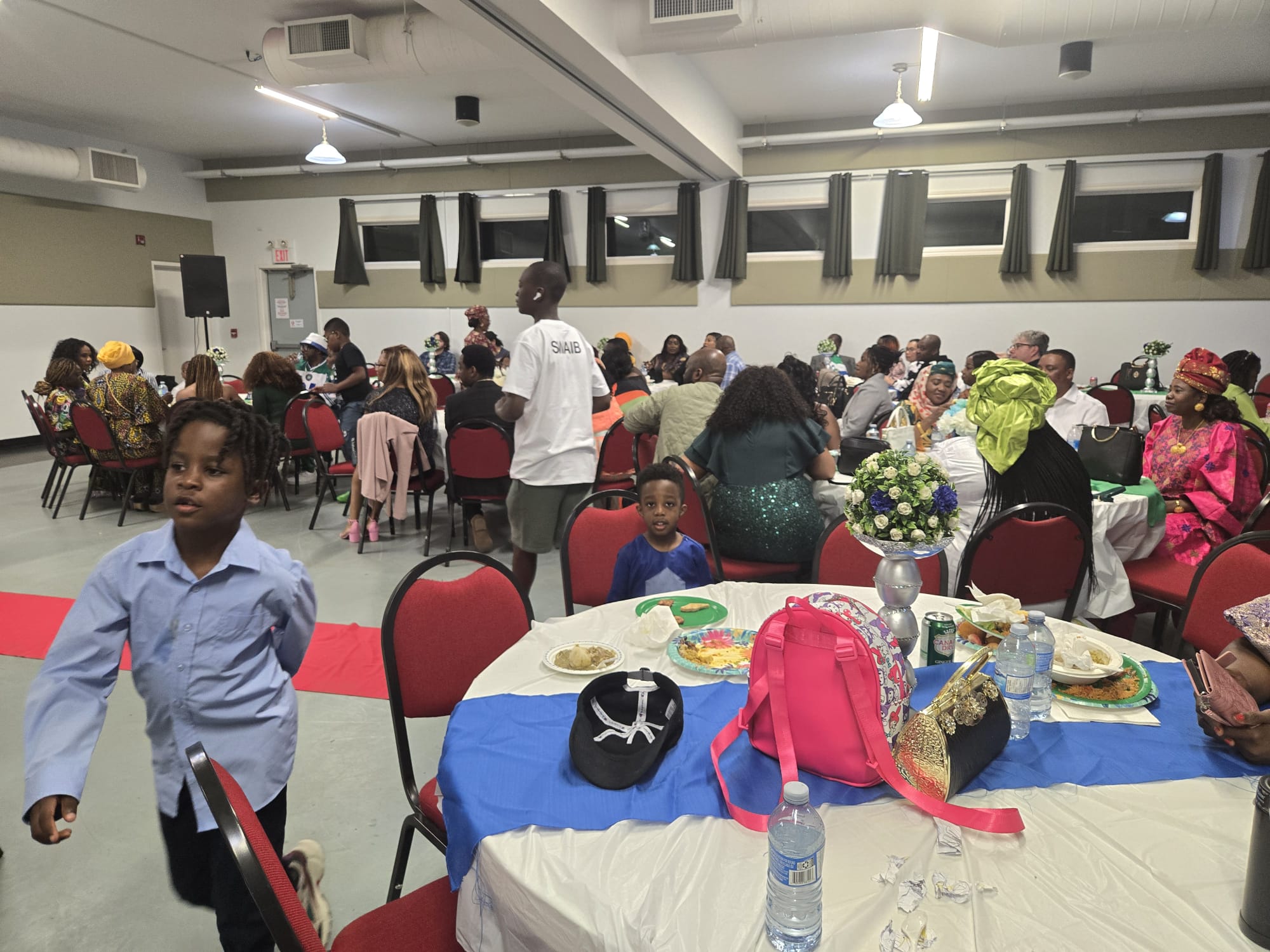
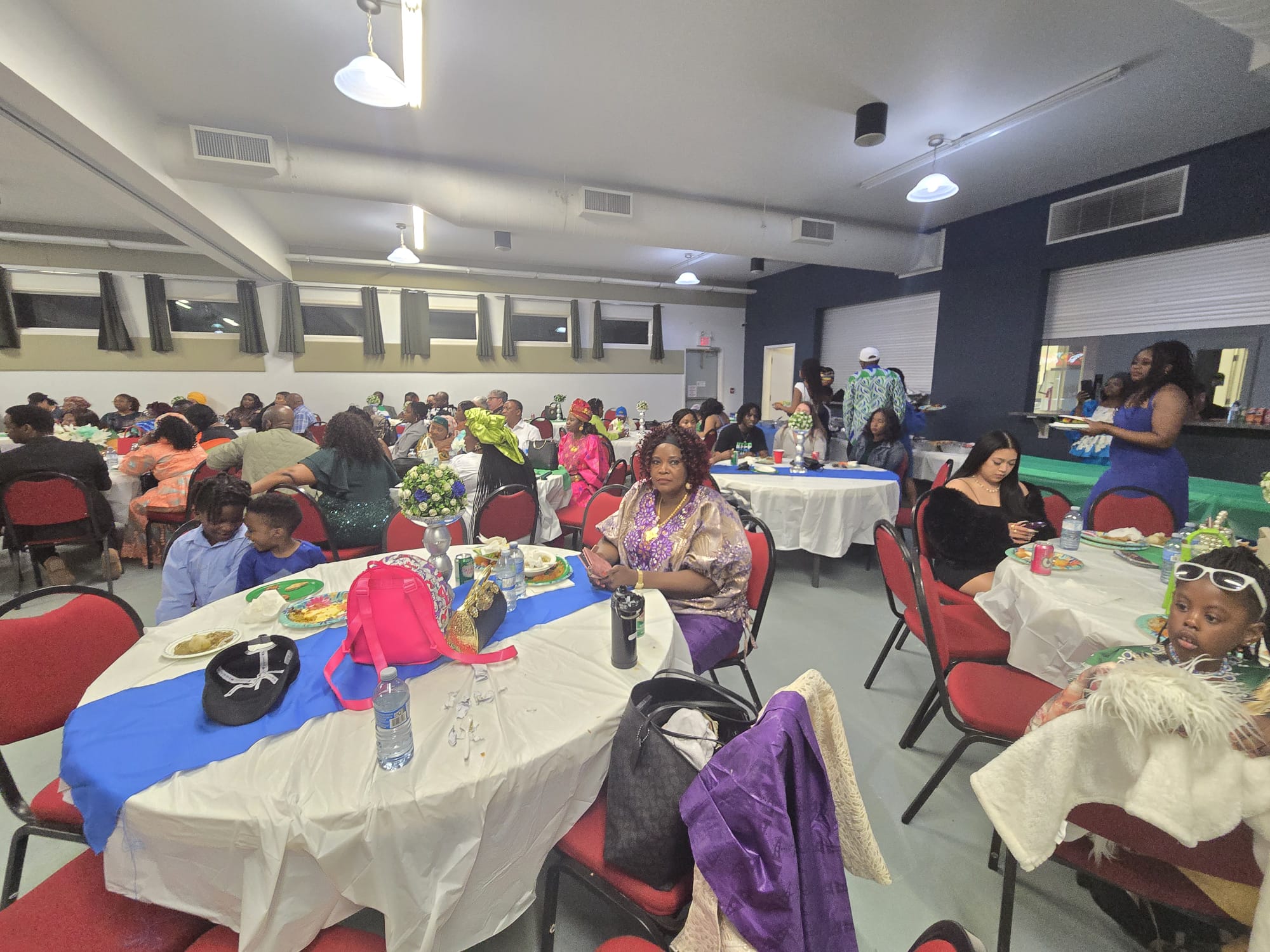
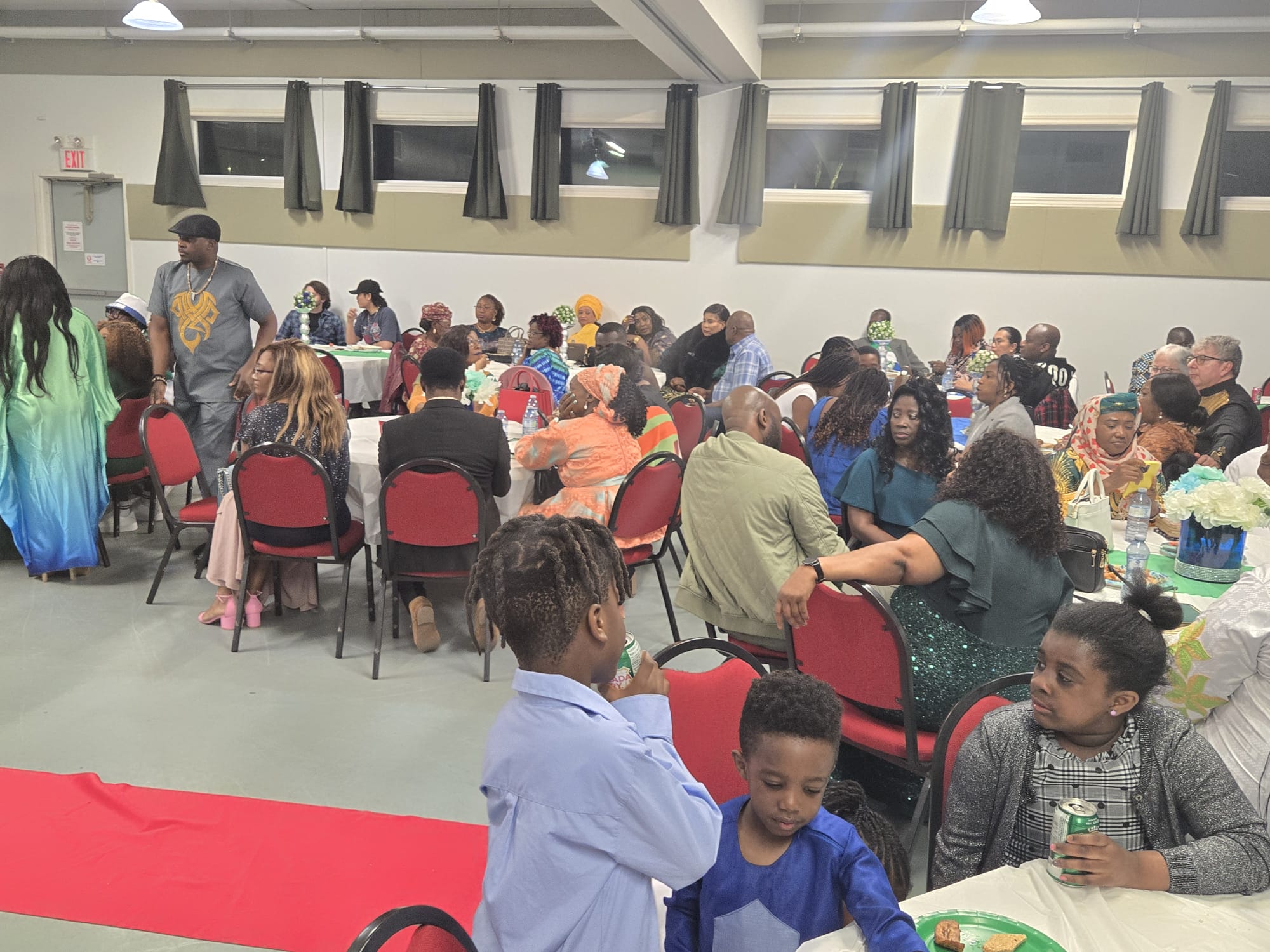
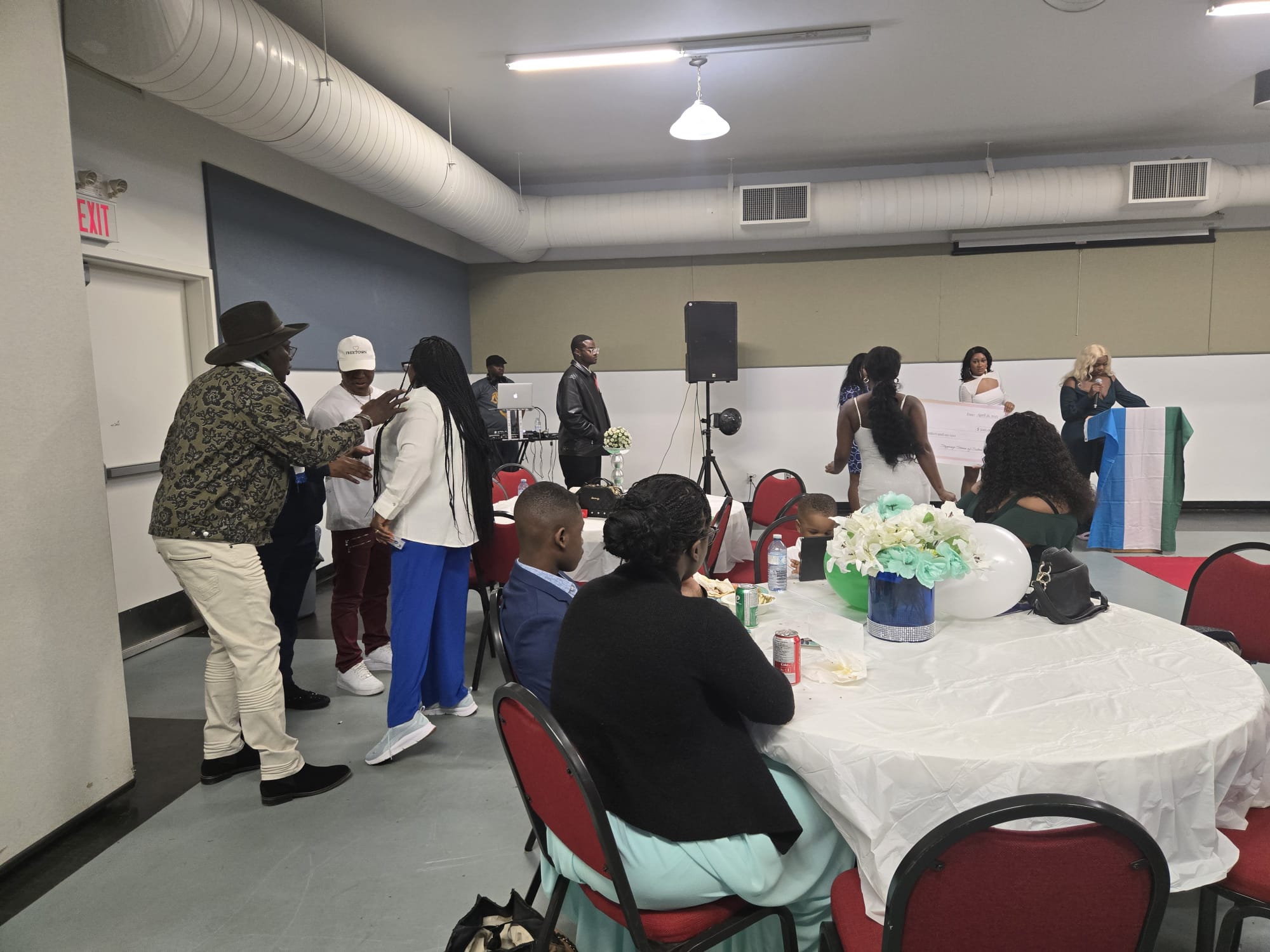
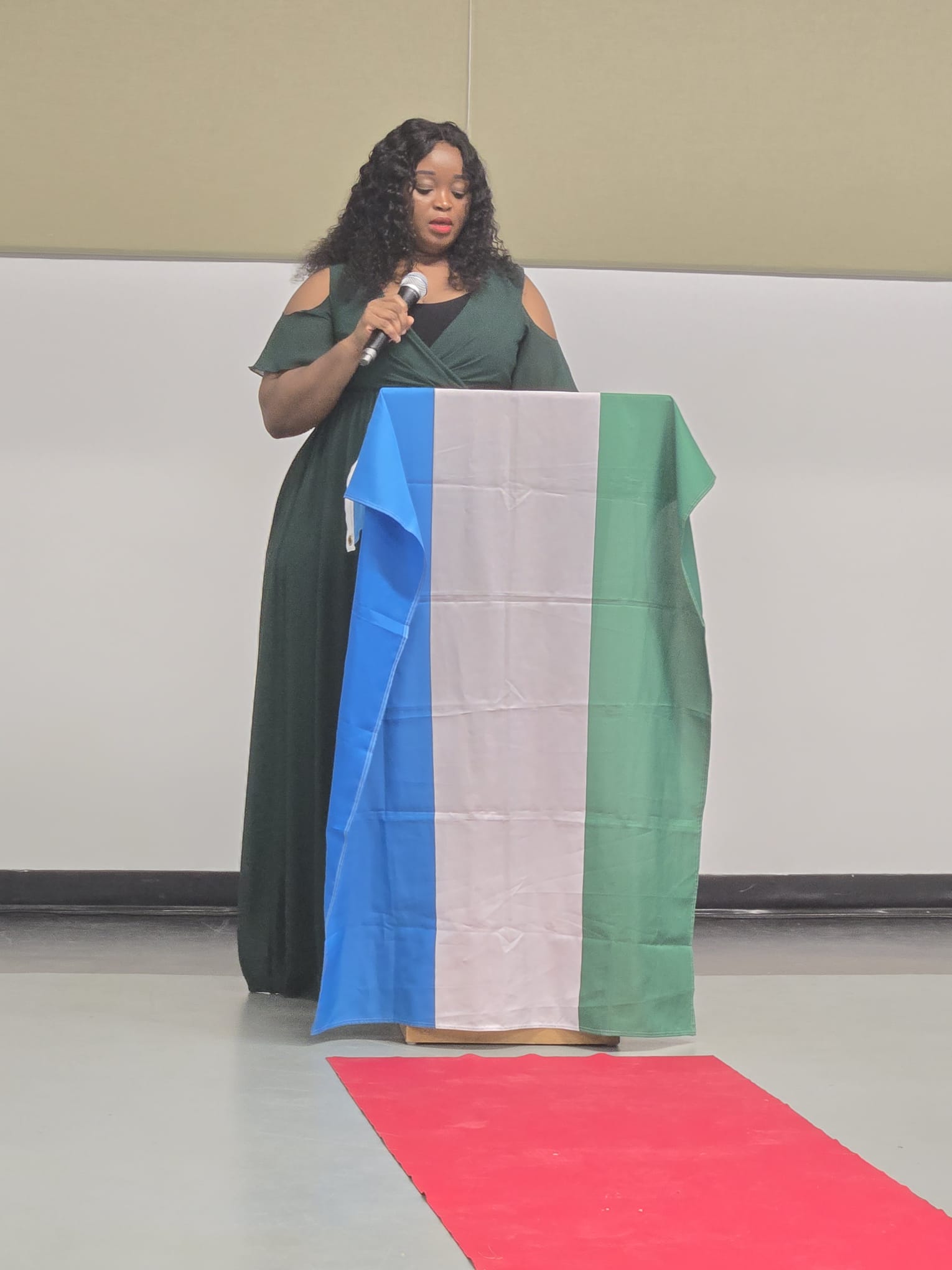
Keynote Address by Evangelist Mrs. Deborah Kanko Kamara (Former First Lady of SALNAM) at the Sierra Leone 64th Independence Anniversary Celebration in Winnipeg on April 26, 2025.

Honoring Our Cultural Provenance: A Beacon of Identity, Transformation, and Unity

Fellow Sierra Leoneans, distinguished guests, and friends.

It is a privilege to celebrate with you tonight, honoring the enduring legacy of our beloved Sierra Leone – the traditions, values, and heritage that unite us.

Sixty-four years ago, our independence was declared – more than political freedom, it was a reclamation of our identity, dignity, and hope.

It marked the beginning of our shared journey rooted in our collective values to build a dynamic nation that will become the pride of every Sierra Leonean.

Tonight, we honor the courageous individuals who secured our freedom from British colonial rule.

 From Sir Milton Margai’s unifying efforts and Karefa Smart’s crucial negotiations to Lamina Sankoh’s advocacy for unity and Isaac Wallace-Johnson’s impactful activism – each leader’s sacrifice and vision laid the foundation for the independent Sierra Leone we cherish today.

As we celebrate their legacy, let us ask ourselves: How do we honor their courage and carry forward their vision of unity, resilience, and progress?

Their dream demands our meaningful action, both in the diaspora and in Sierra Leone.

This celebration is not just about history; it is a call to action: to honor our cultural provenance and harness its power to inspire transformation, unity, and development, both here in Canada and in Sierra Leone.

Sierra Leone’s inspiring cultural diversity, woven from the traditions, music, dance, and art of our numerous ethnic groups, creates a rich tapestry of expression.

This vibrant diversity reflects our heritage and binds us together, giving Sierra Leonean culture its unique strength and beauty, wherever we may be.

Our cultural provenance is our living legacy: the stories, values, and practices that define us.

It is the language of our ancestors, the songs of our villages, the artistry of gara fabric, the timeless wisdom of our proverbs, the vibrant flavor of jollof rice, and the taste of cassava leaves cooked with love.

These are living expressions of our identity.

 As Mahatma Gandhi wisely said, “A nation’s culture resides in the hearts and in the soul of its people.”

This reminds us that our culture lives through us, carried forward with pride and purpose, binding us as one Sierra Leonean family across the globe.

Consider the practices that connect us to our past and each other:

Our music, dance, performances, and vibrant food – expressions of joy, celebration, and our unique identity.

Our storytelling and oral traditions – preserving ancestral wisdom and guiding values.

And our religious harmony – a hallmark of Sierra Leone – serves as a shining example of unity and mutual respect in an often-divided world.

These pillars define us and inspire us to strive for more.

I recall the warmth of community gatherings in Sierra Leone, where elders shared stories of resilience and hope, instilling in us the values of integrity, perseverance, and unity – values that continue to strengthen me even now, far from home.

Here in the diaspora, honoring our cultural provenance is vital. In multicultural Canada, our heritage is both a bridge to our roots and a beacon enriching our adopted homeland.

By celebrating our culture, we share Sierra Leone’s unique beauty and resilience with Canada.

Crucially, we ensure our children and grandchildren grow with pride in their heritage, understanding its strength and wisdom. Though they grow in a new land, far from Sierra Leone, we empower them to know their origins.

Here in Winnipeg, SALNAM is central to preserving our heritage and fostering unity.

Initiatives like their occasional Cooking, History, and Language Training Classes aim to transmit our cultural knowledge to future generations, building a strong sense of identity.

SALNAM’s Seniors Luncheon Program beautifully exemplifies our cultural values, providing a space for elders to socialize, share wisdom, reminisce, and enjoy the warmth of community.

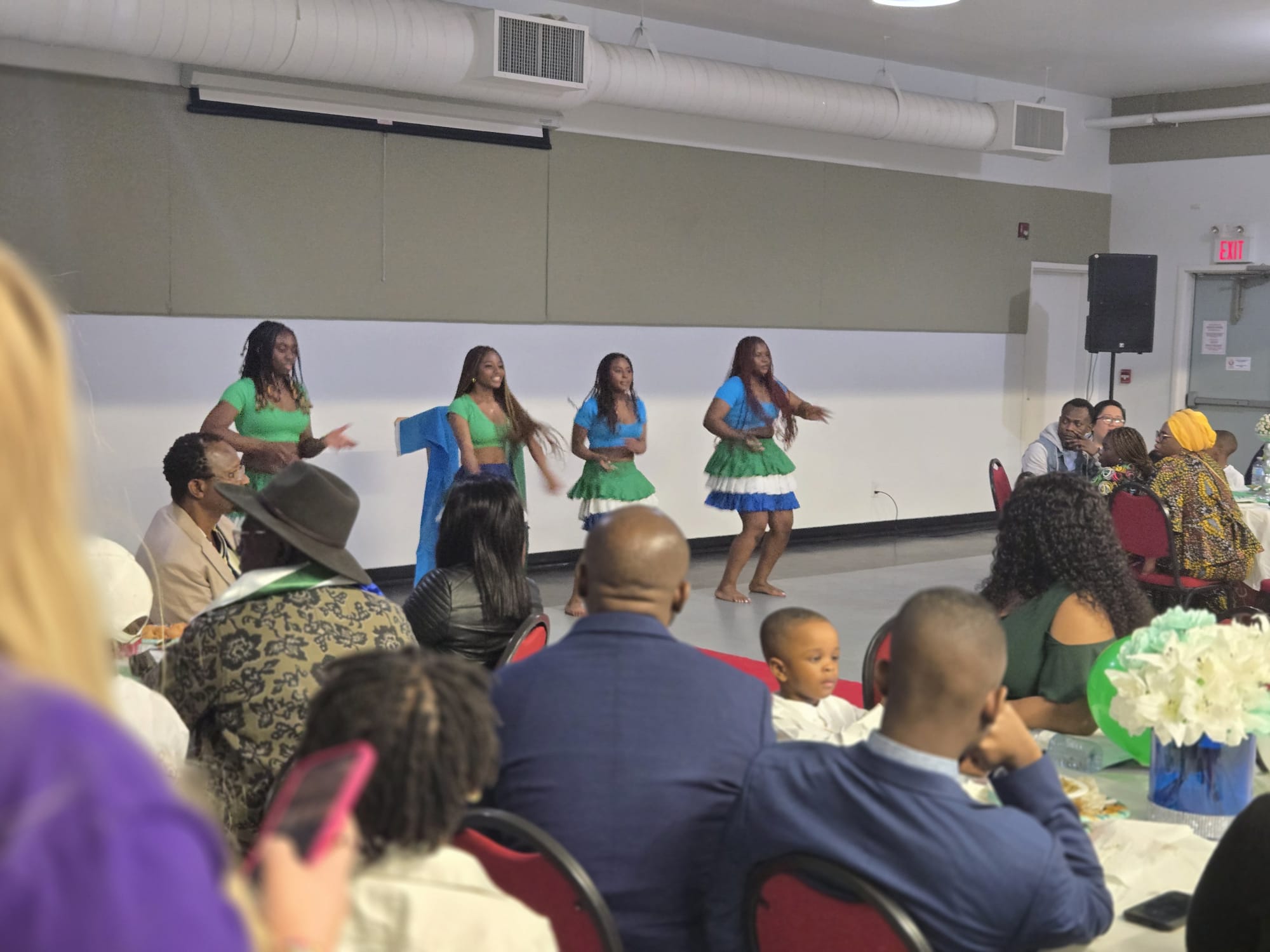
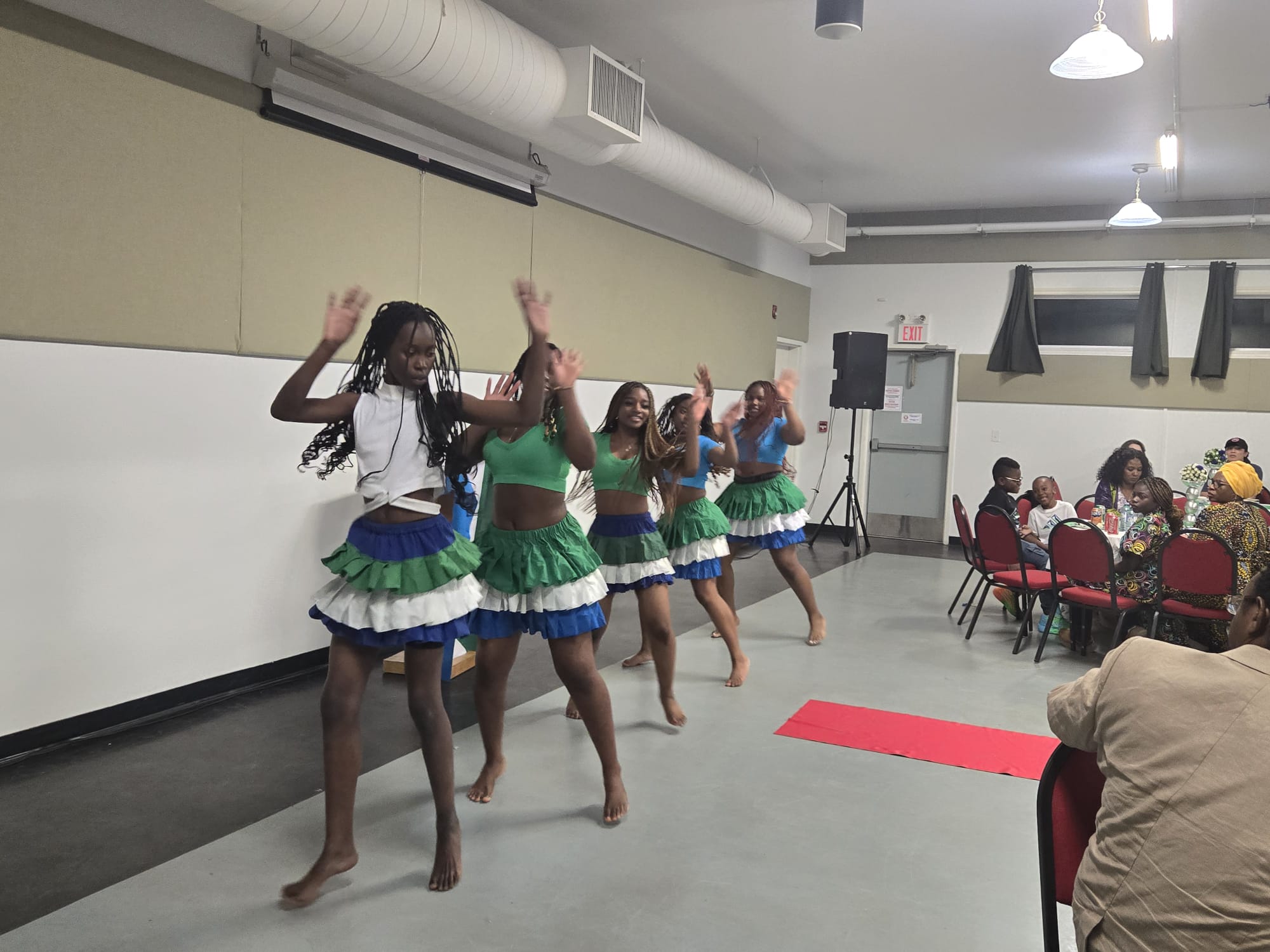
And who could forget the SALNAM dancers, our cultural ambassadors who bring the vibrancy of Sierra Leone to events like Folklorama, our independence celebrations, and other functions in Manitoba, inspiring pride and connecting us with diverse audiences.

However, cultural provenance is not static; it is a dynamic force of adaptation and transformation, not just a look backward.

As Sierra Leoneans in the diaspora, particularly here in Winnipeg, we uniquely blend our cherished traditions with the realities of our new context while staying deeply connected to our identity – a vibrant transformation we witness daily within our Canadian community.

Also, through our music, stories, and values, Sierra Leoneans have demonstrated resilience and creativity.

Just look at the creative energy of young Sierra Leonean artists who are weaving traditional gara patterns into modern fashion, or the compelling influence our music is having on global genres like Afrobeat.

These artistic expressions powerfully illustrate that honoring our cultural heritage is a journey of growth and evolution.

Here within our Sierra Leonean community in Winnipeg, SALNAM is a driving force behind this evolution, spearheading initiatives that thoughtfully blend tradition with innovation.

Take, for example, the 2015 community envisioning exercise – a collaborative effort that brought together diverse voices with the goal of promoting sustainable change deeply rooted in our core values.

Similarly, the cross-cultural understanding workshop aimed to promote cross-cultural understanding to support our members’ integration into Canadian society and foster greater intercultural awareness.

It also served as a vital reminder that cultural transformation is about generously sharing our identity and enriching the beautiful tapestry of Manitoba’s diversity.

The attendance of the Manitoba Minister of Multiculturalism, along with the greetings received from the Mayor of Winnipeg, added significant value to the event.

Another compelling example of an innovative program that champions growth and unity within our community is the “We Yone Palaver Hut” Project, thoughtfully founded by our very own Mr. Victor Kaicombey.

This remarkable community-based restorative justice initiative draws profound inspiration from Sierra Leonean traditions of open dialogue and heartfelt reconciliation, fostering deeper understanding and strengthening the bonds of our community.

These programs embody our core values – respect, harmony, integrity, and community spirit – demonstrating the enduring strength and adaptability of our culture in action.

Core Values: The Pillars of Our Community:

In the very spirit of transformation and unity, let us wholeheartedly embrace and actively live these empowering values each and every day, both here in Winnipeg and in our beloved Sierra Leone:

– Respect and Harmony:

Our rich heritage profoundly emphasizes the importance of mutual respect and meaningful collaboration.

The inspiring religious harmony we cherish in Sierra Leone serves as a powerful example of peaceful coexistence.

Let us actively embody this same spirit in our daily lives, diligently fostering understanding and respect in all our interactions with one another.

– Education and Empowerment:

Knowledge bridges cultural preservation and progress. By valuing education and empowering our youth, we ensure our traditions inspire innovation. SALNAM’s classes demonstrate the power of this investment in our enduring legacy.

– Community Spirit:

Our vibrant culture deeply values the strength found in togetherness. As the cherished proverb in Sierra Leone wisely reminds us, “It takes a village to raise a child.”

Sierra Leonean culture strongly celebrates the transformative power of community, and programs like the seniors’ luncheon remind us of the strength in meaningful connection.

Let us support one another in our endeavors, advancing our community to new heights with steadfast collaboration and genuine care.

– Integrity and Accountability:

Our ancestors instilled in us the timeless value of living with integrity – doing right even when unseen. Let us hold ourselves accountable to these principles in all aspects of our lives.

– Resilience and Adaptability:

The people of Sierra Leone are no strangers to adversity, yet our inherent resilience radiates with strength and hope.

Let us purposefully channel this strength into diligently building a brighter and more promising future for ourselves, our community, and our homeland Sierra Leone.

Let us resolutely carry these core values and our resilience forward, inspiring others with our example, and proudly showing the world the power of unity, heritage, and pride.

Our transformation is a dedicated pursuit of excellence; let us collectively strive to make Sierra Leonean culture a globally admired and respected example for all to witness.

Unity and Development: A Shared Responsibility:

As Sierra Leoneans in Canada, we have a unique opportunity and responsibility: to share our rich heritage in this multicultural nation, showcasing Sierra Leone’s beauty.

Our responsibility extends to our homeland, supporting education, healthcare, and sustainable development.

Imagine our collective impact if every Sierra Leonean in the diaspora supported a community project or development in our homeland.

Imagine the legacy of transformation we could leave for future generations.

Unity and development are not just duties; they are opportunities to build a lasting legacy of pride and progress.

We must rise above personal issues that may diminish our individual or collective power to contribute maximally to the socio-economic and cultural advancement of our community and our nation, Sierra Leone.

United as one, we can create a legacy of transformation and lasting unity for future generations by enriching our Sierra Leonean roots with the knowledge and perspectives of our global experiences, creating a powerful synergy.

With this vision in mind, I now ask each and every one of you:

How can you honor your cultural provenance? How can you live our core values daily and embrace transformation that unites and develops our community? How can you support programs that uplift us and strengthen our community?

Remember, your actions today shape the legacy we leave for tomorrow.

Finally, tonight, let us renew our commitment to honoring our cultural provenance, living our values, and embracing transformation.

Let this anniversary remind us of our shared heritage and purpose.

Thank you. Together, with pride, determination, and hope, let us carry the spirit of Sierra Leone into a bright future.

Keynote Address by Evangelist Mrs. Deborah Kanko Kamara (Former First Lady of SALNAM) at the Sierra Leone 64th Independence Anniversary Celebration in Winnipeg on April 26, 2025.

CHARITYDONATIONEVENTS

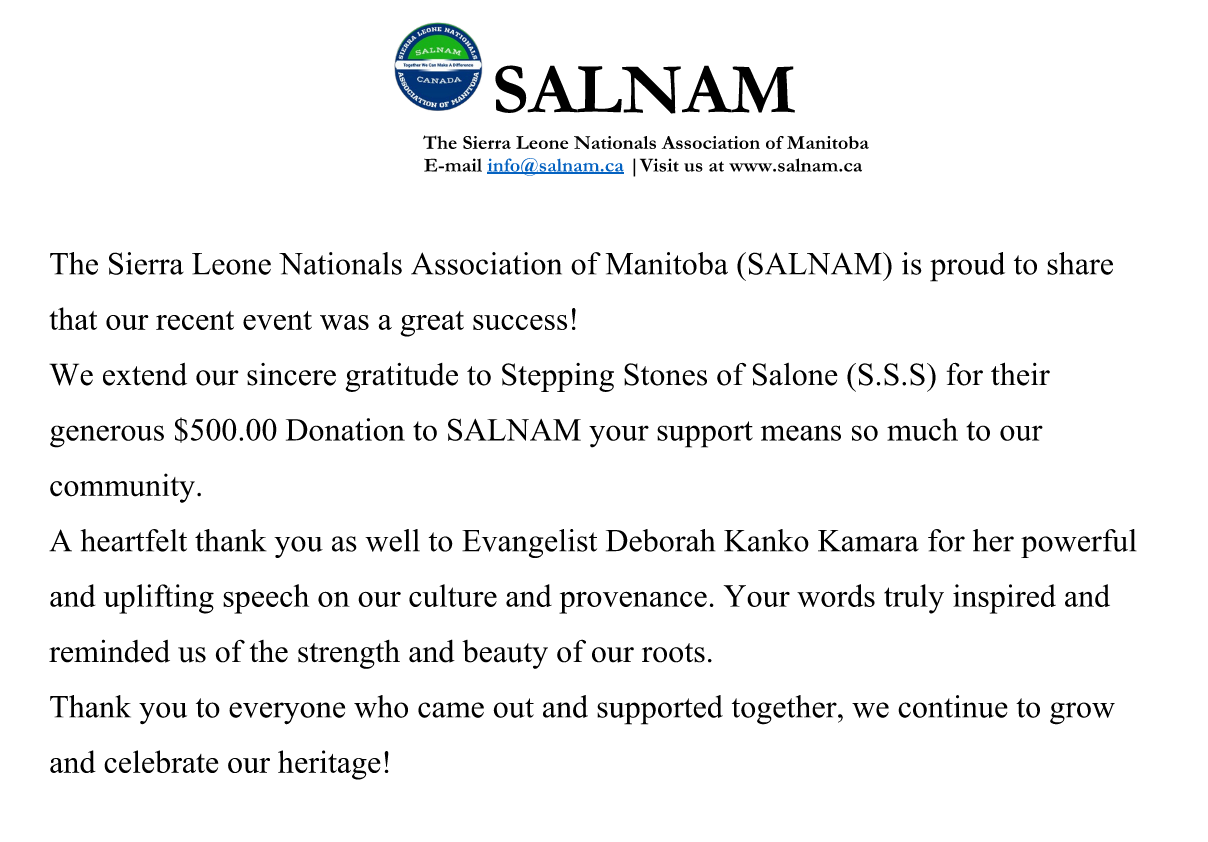
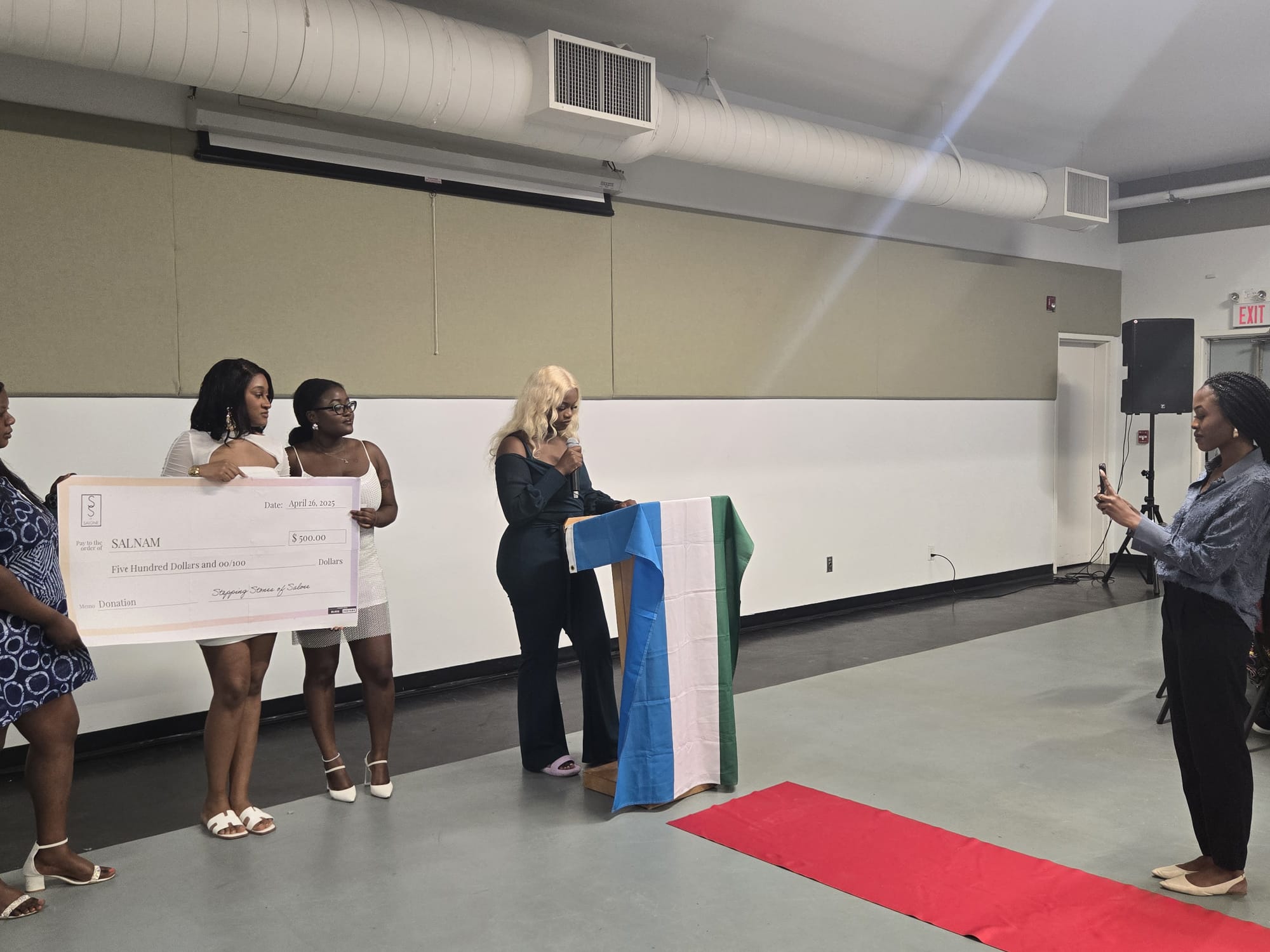
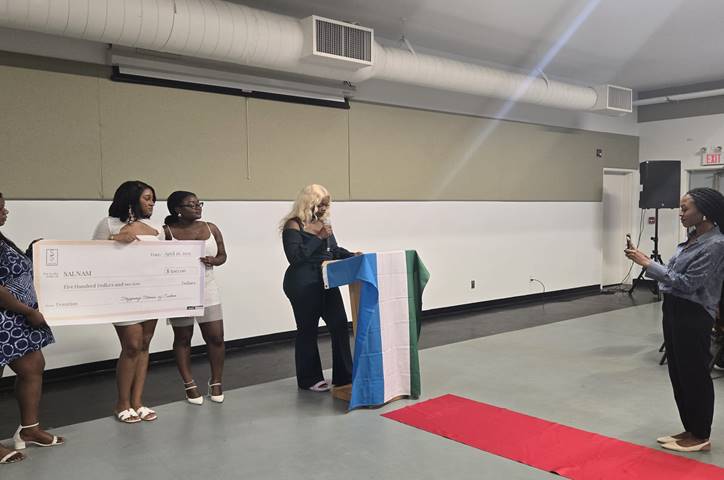
Thank you to Stepping Stones of Salone

Thank You to Stepping Stones of Salone

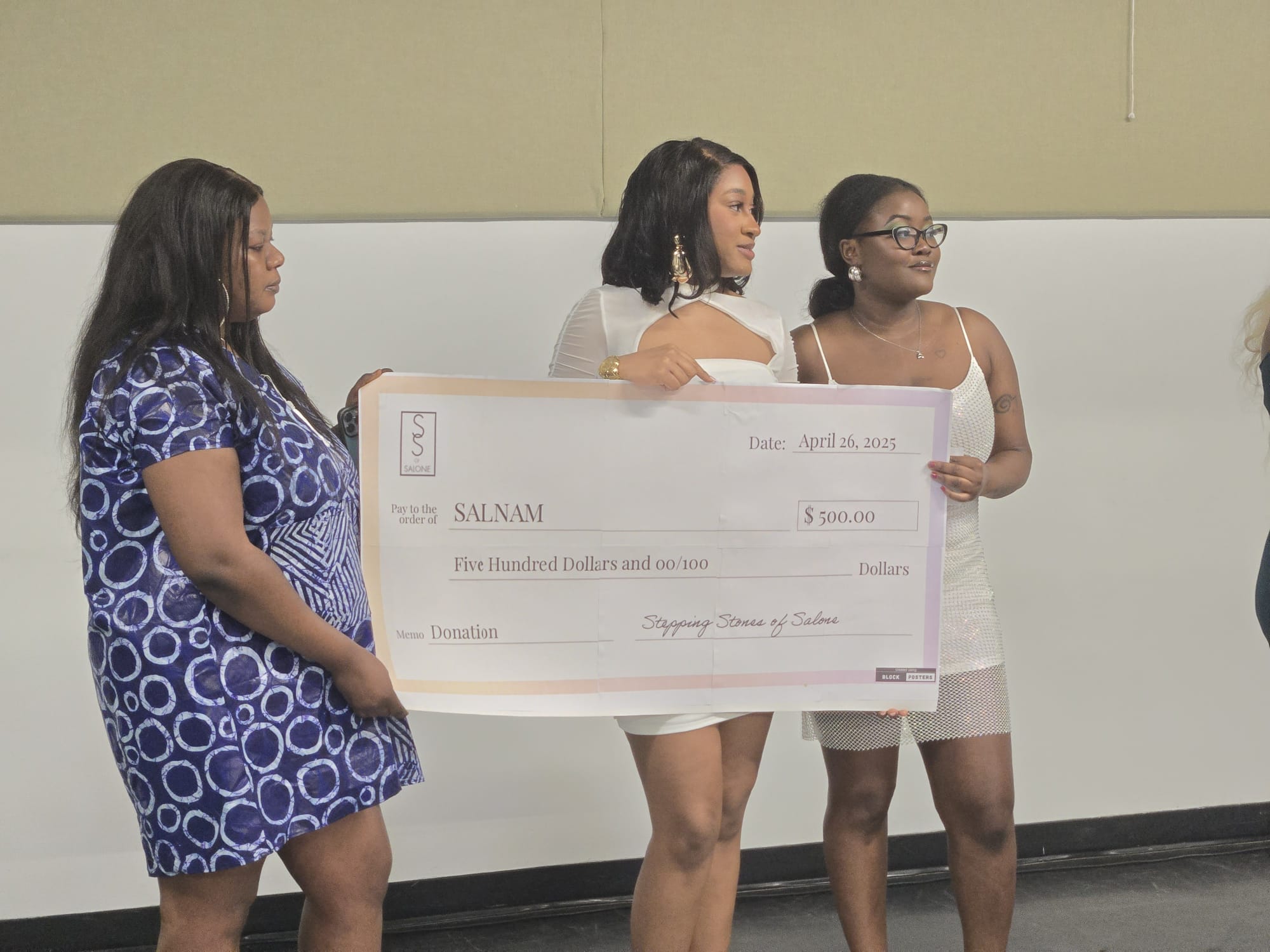
On behalf of the Sierra Leone Nationals Association of Manitoba (SALNAM), we extend our heartfelt gratitude to Stepping Stones of Salone for their generous donation of $500.00 to our organization.

This contribution holds deep meaning not just for the support it provides, but for the beautiful story it tells. As members who were raised within this very community, you represent a shining example of what it means to give back. Your journey from growing up within SALNAM to now uplifting it speaks volumes of your dedication, pride, and belief in the power of unity.

Your donation is more than a financial gift it is an investment in our shared future. It reflects love, loyalty, and a true sense of belonging. We are so proud of your success and even more grateful that you’ve chosen to support the community that helped shape you.

Thank you, Stepping Stones of Salone, for not only remembering your roots but for nourishing them.

Thank you!

Moe Koroma | SALNAM President
The Sierra Leone Nationals Association of Manitoba Inc.
[email protected] | www.salnam.ca

EVENTS

SALNAM – Cooking Classes Summary Report

EVENT REPORT
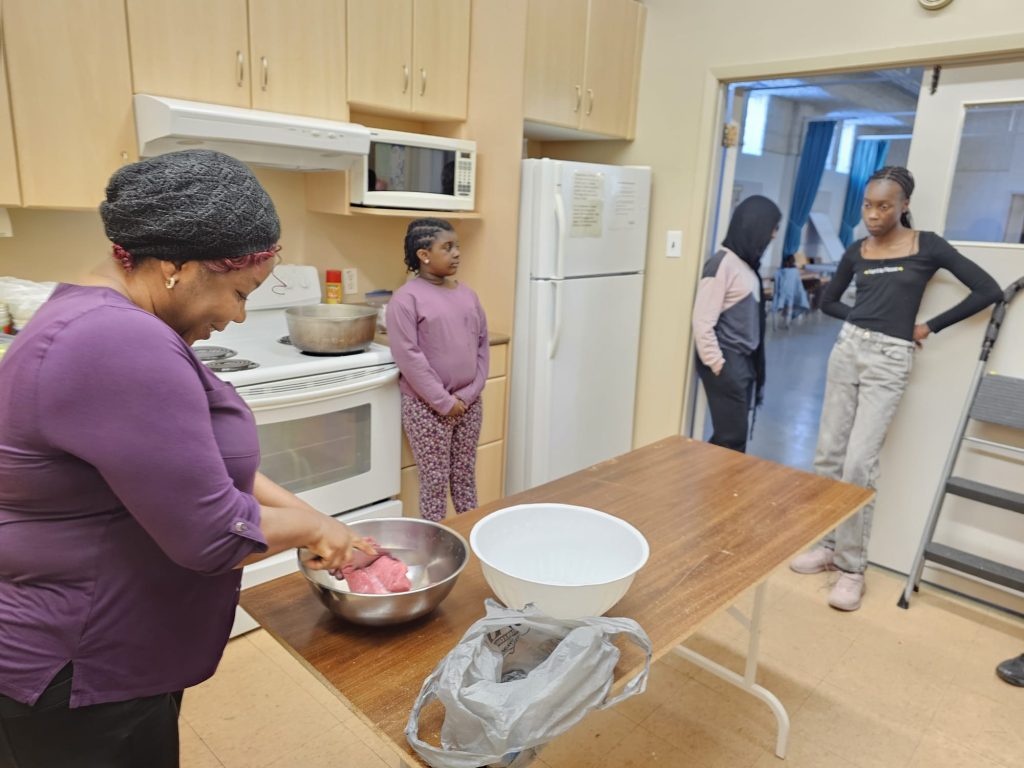
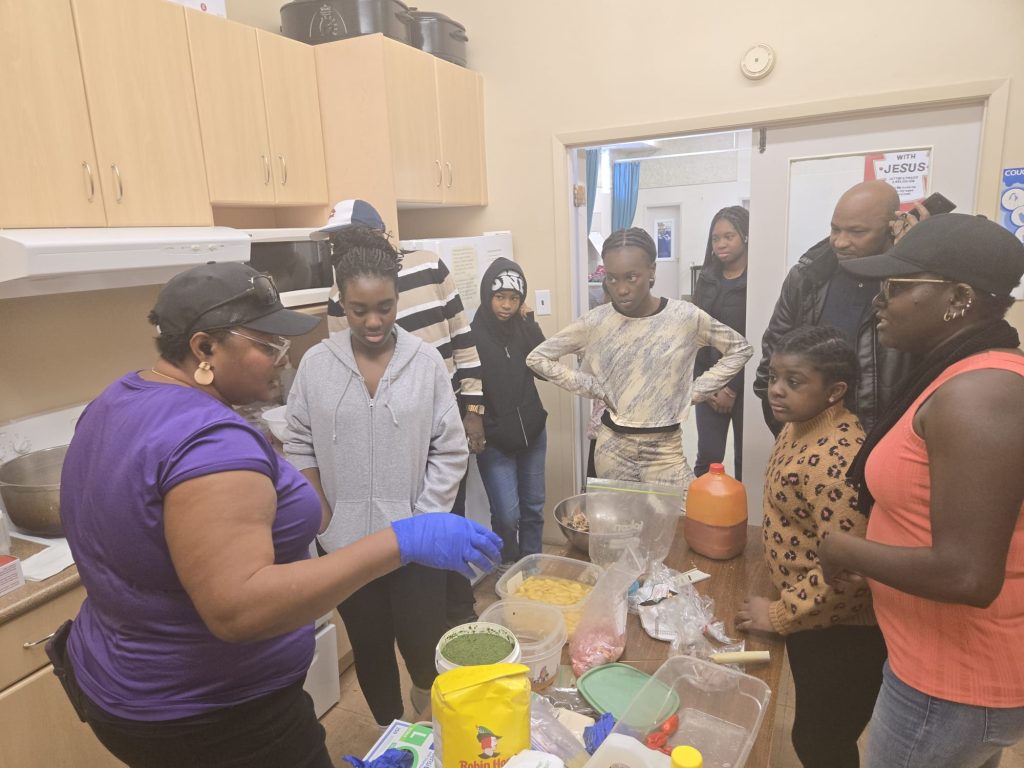
SALNAM Cooking Class for Kids
Theme: Help our Kids to Connect with Sierra Leone through Food
Date: April 3-5, 2025
Venue: Winnipeg, Manitoba (Virtual and In-Person Sessions)
Organized by: Sierra Leone Nationals Association of Manitoba (SALNAM)
Number of Participants: 20

The Sierra Leone Nationals Association of Manitoba (SALNAM) successfully hosted a three-day Cooking Class for Kids from April 3-5, 2025. The program was designed to connect children of Sierra Leonean heritage to their roots through learning how to prepare traditional Sierra Leonean dishes.
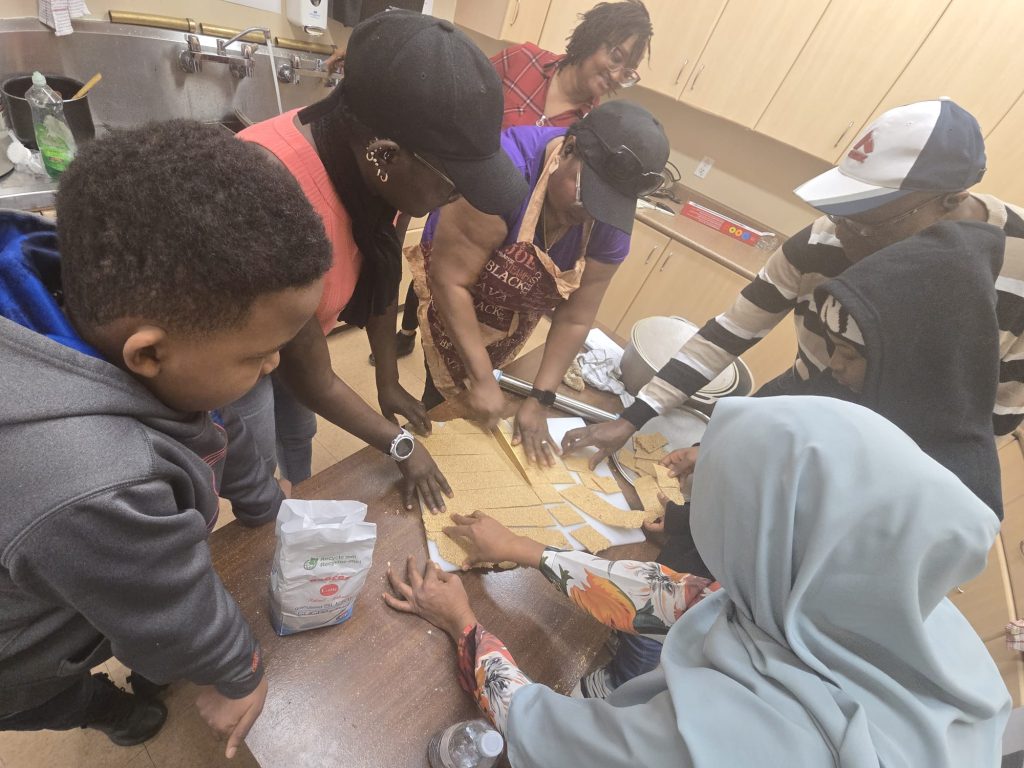
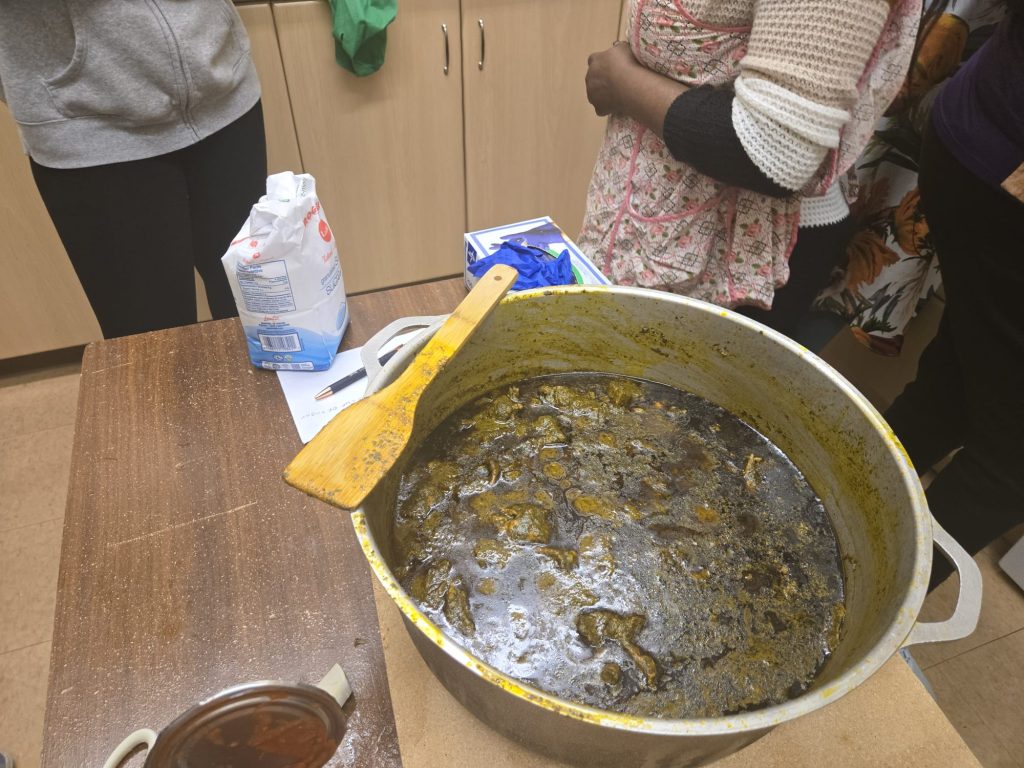
The cooking class commenced with an online Zoom session attended by participants and community members. The session was led by Mrs. Margaret Conteh, a respected community elder. Mrs. Conteh provided an engaging historical background on Cassava Leaves, explaining its origins from Brazil and its evolution into a staple dish in Sierra Leonean cuisine. She detailed its preparation process and highlighted its nutritional value, including its richness in vitamins and health-promoting elements.

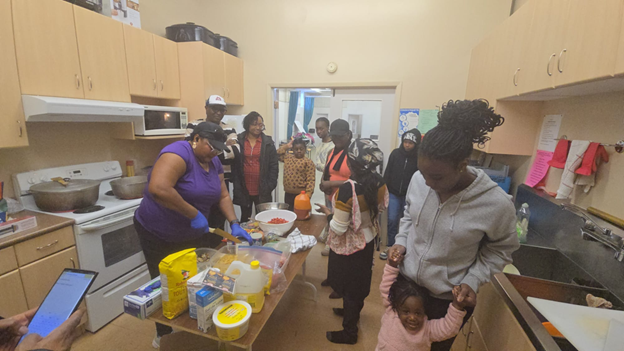
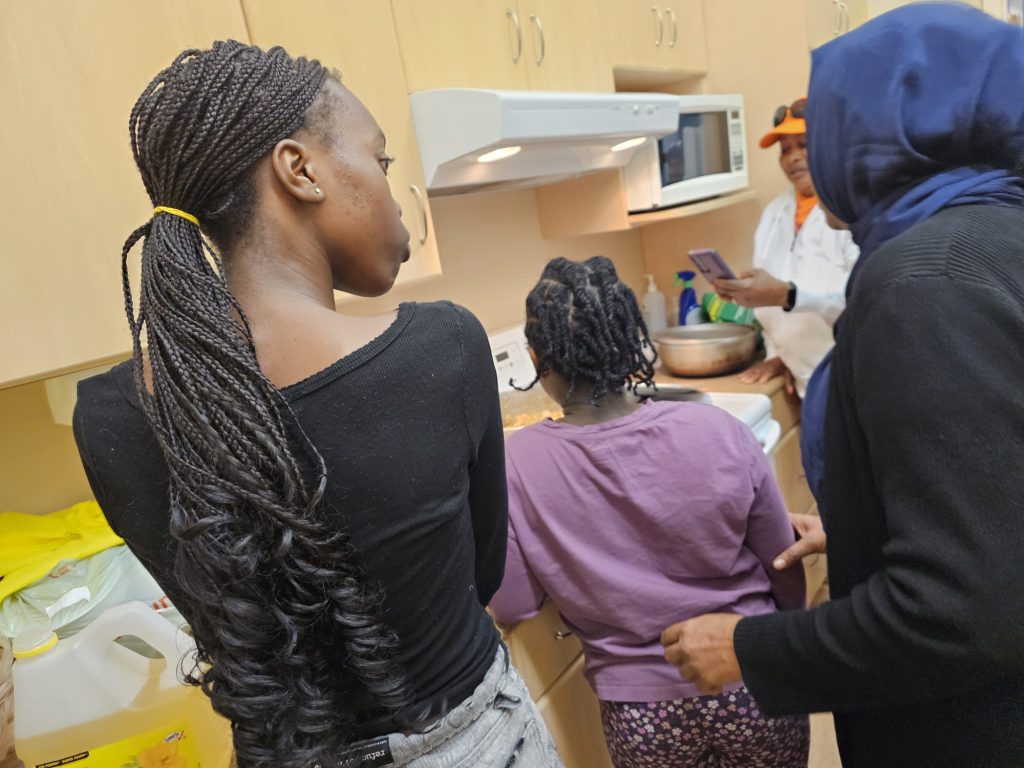
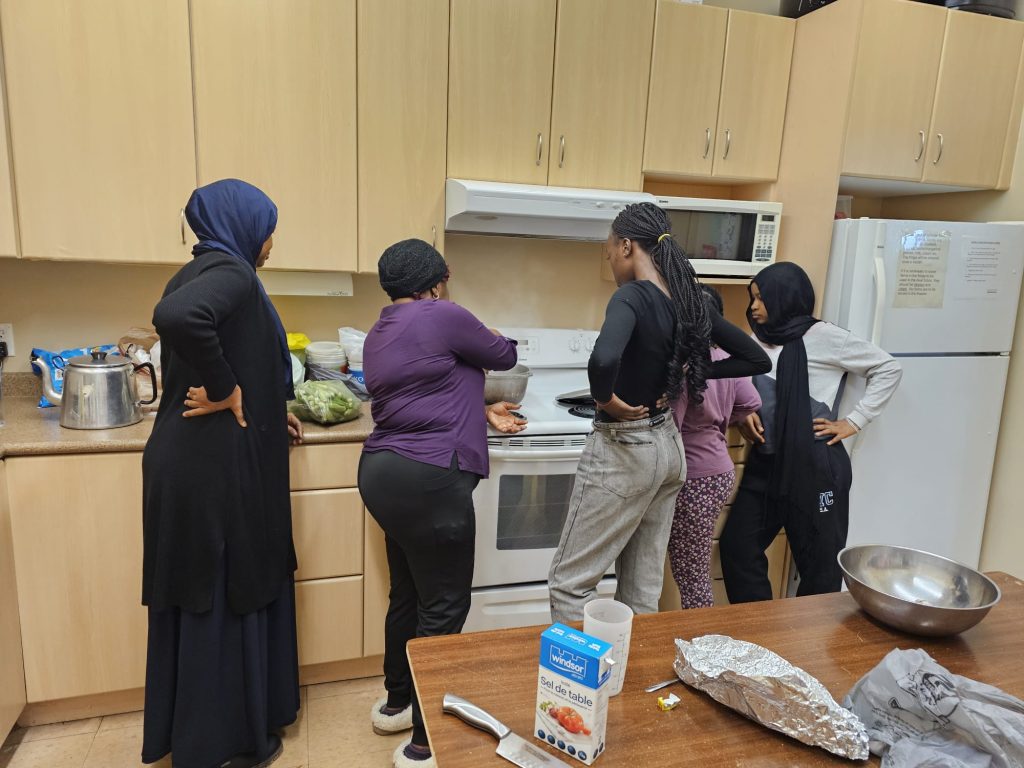
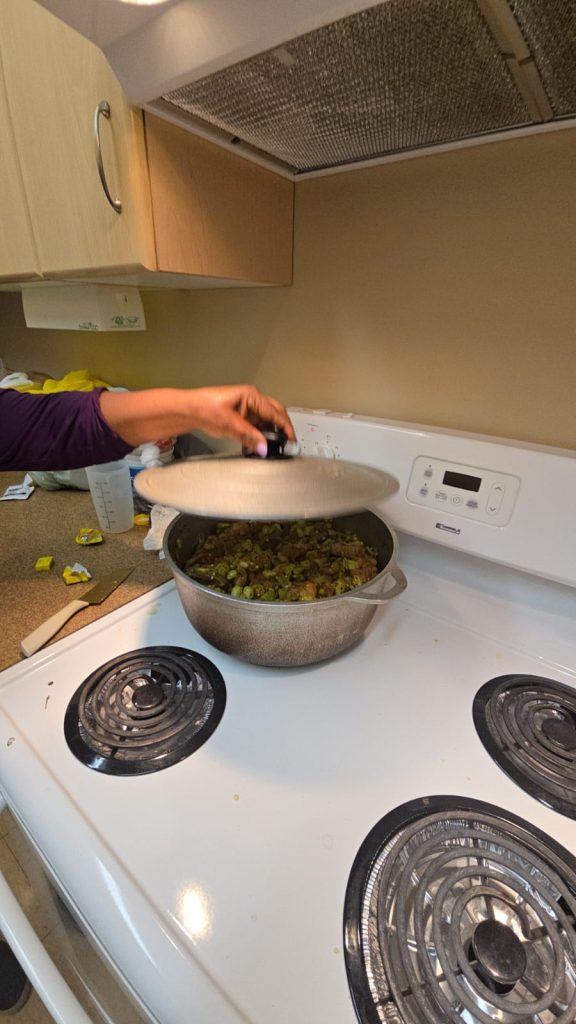
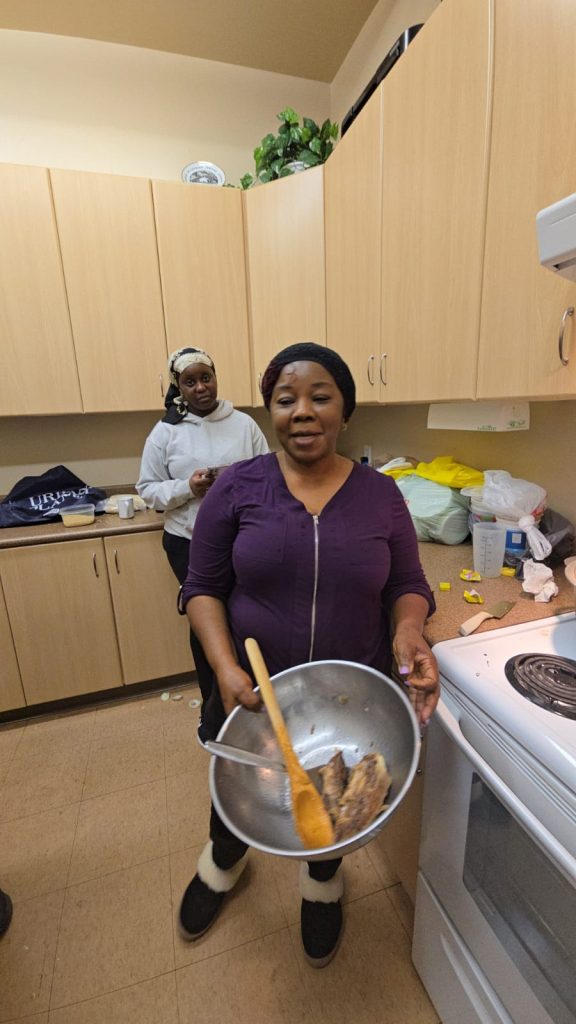
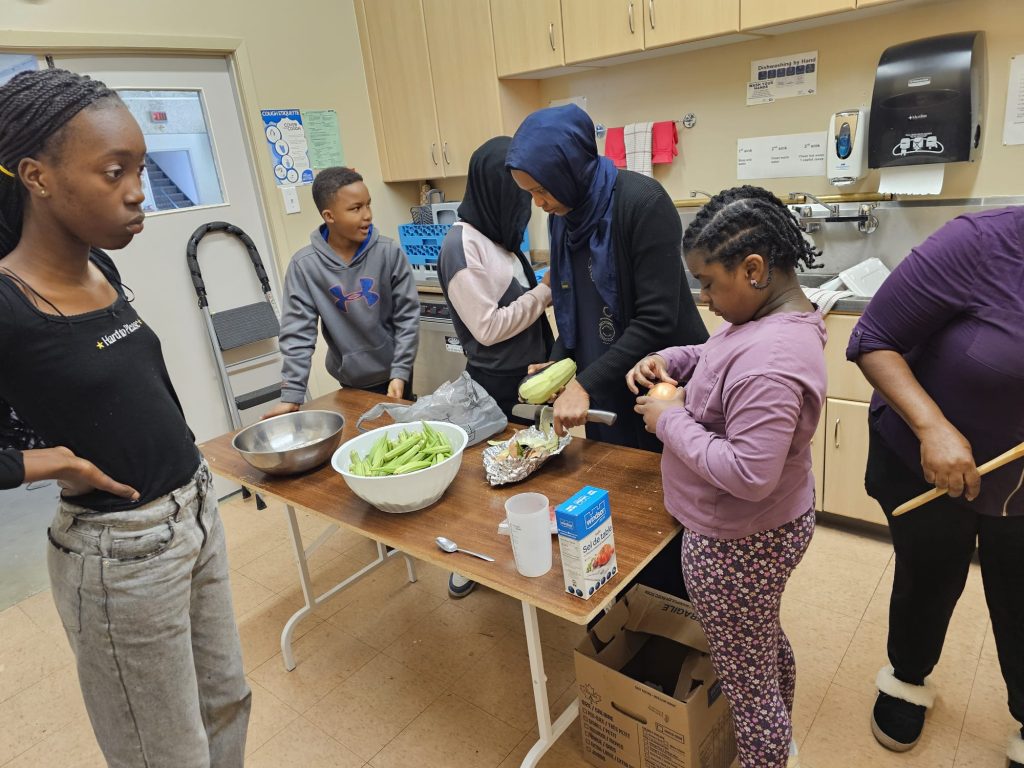
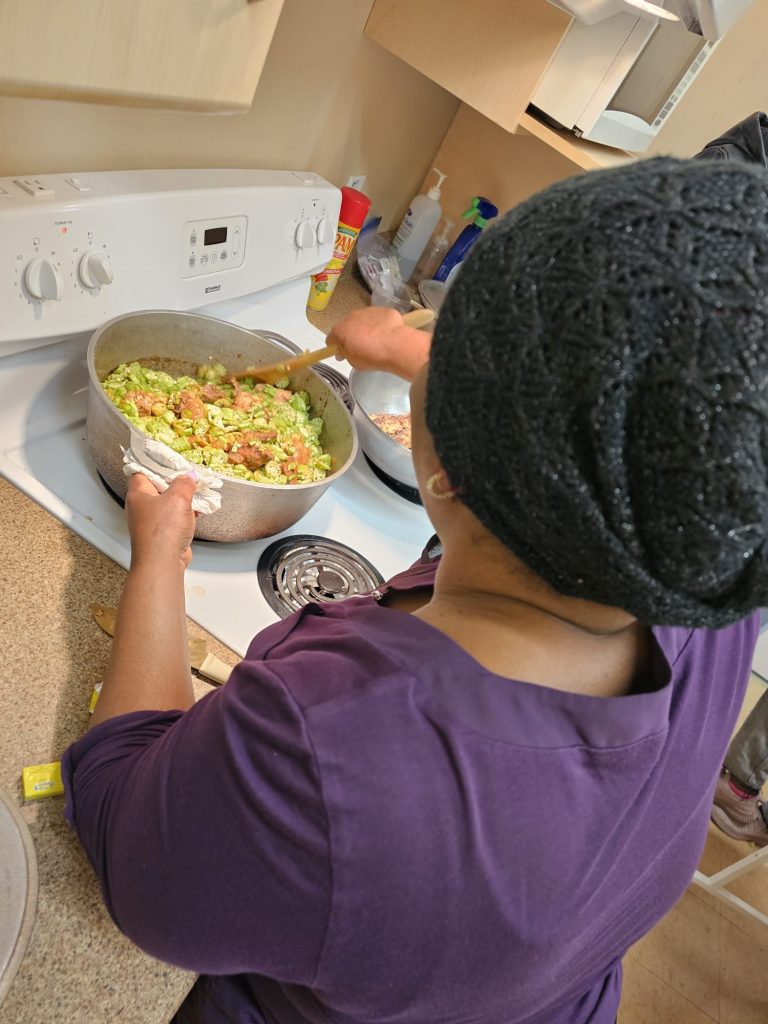
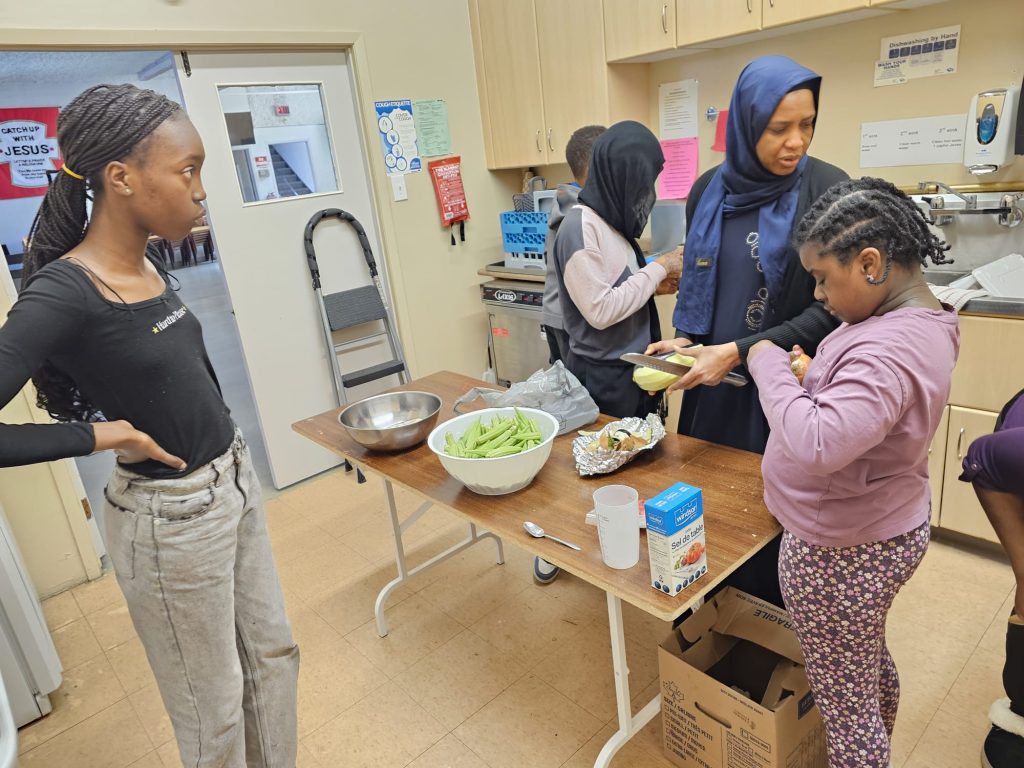
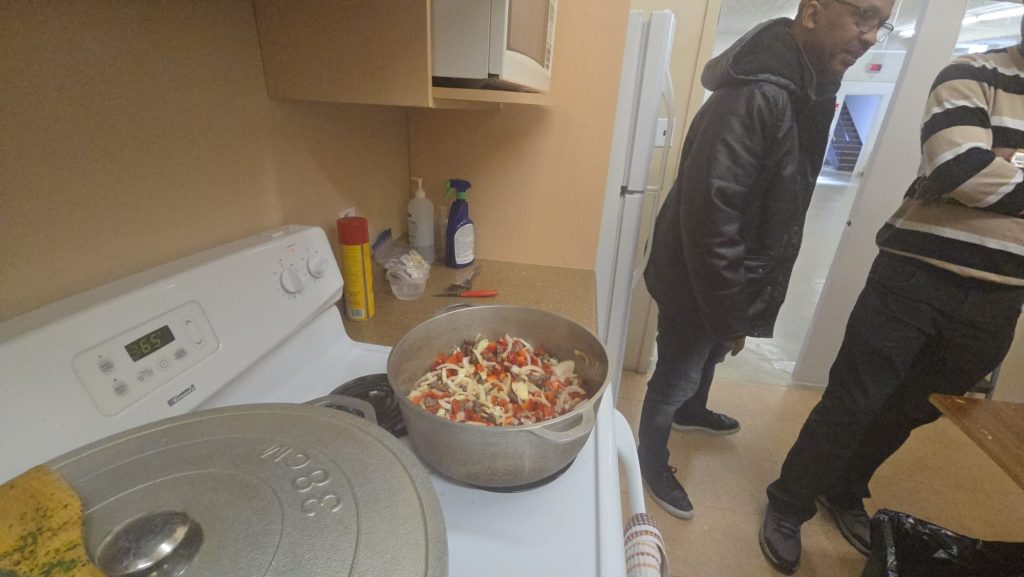
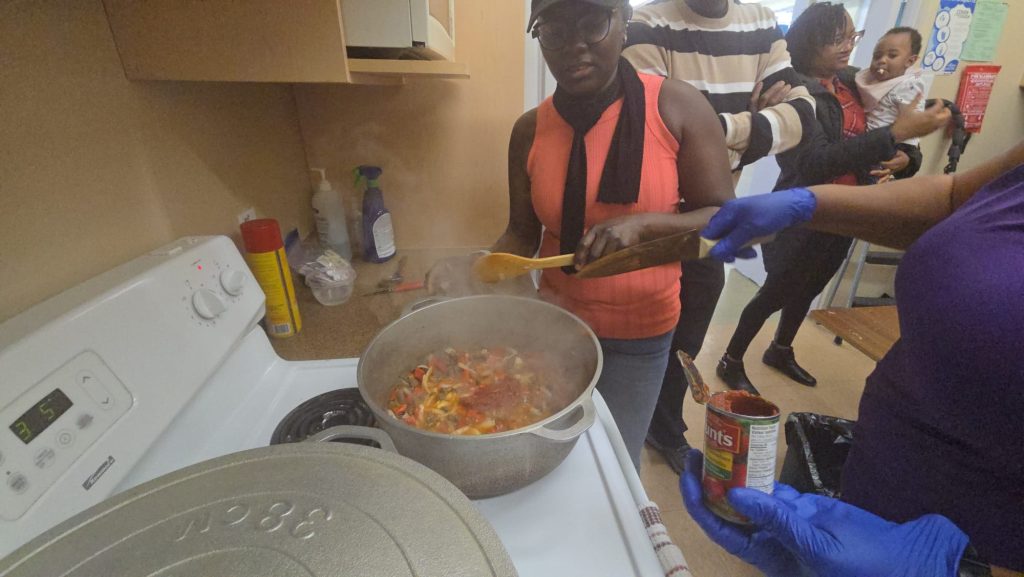
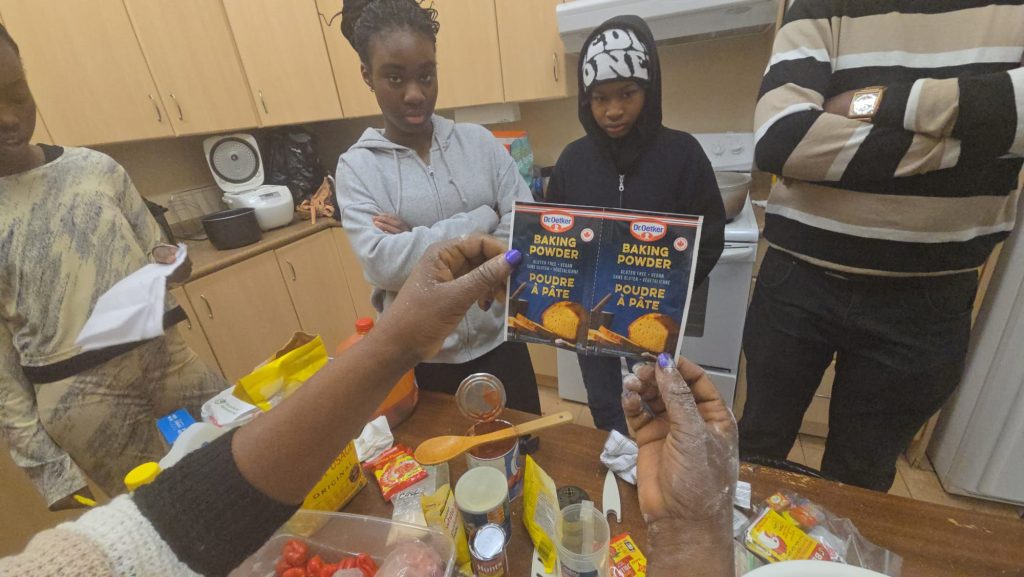
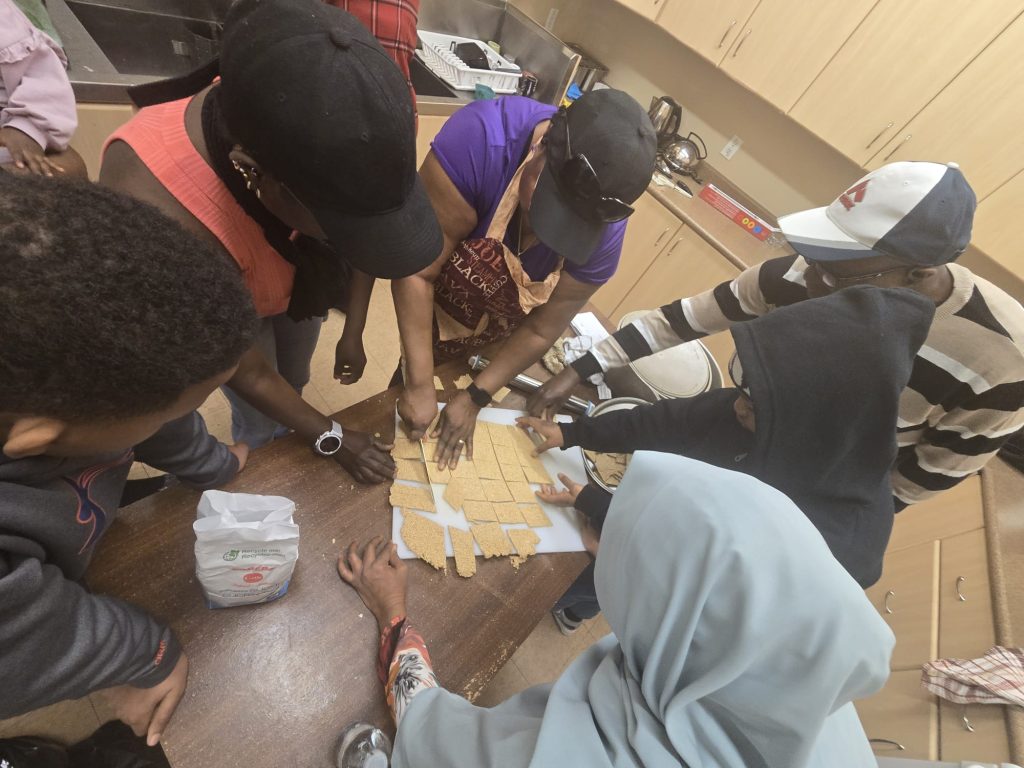
The second day featured an in-person, hands-on cooking demonstration led by Madam Nyallay Jabati. Participants, both kids and adults, were guided step-by-step in preparing Okra Stew, a beloved Sierra Leonean delicacy. The session was interactive, with participants asking questions, practicing cooking techniques, and sharing personal food stories.

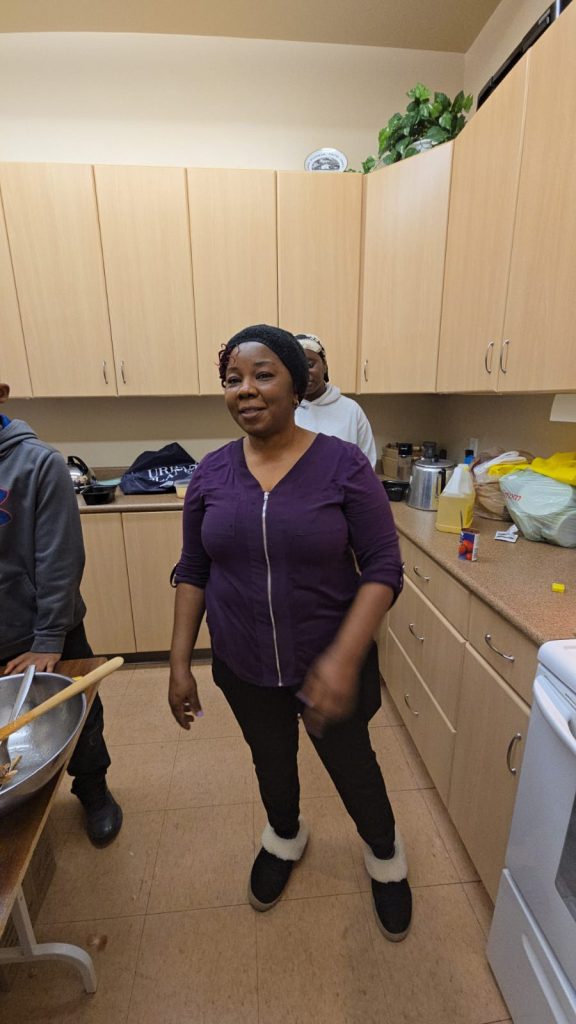
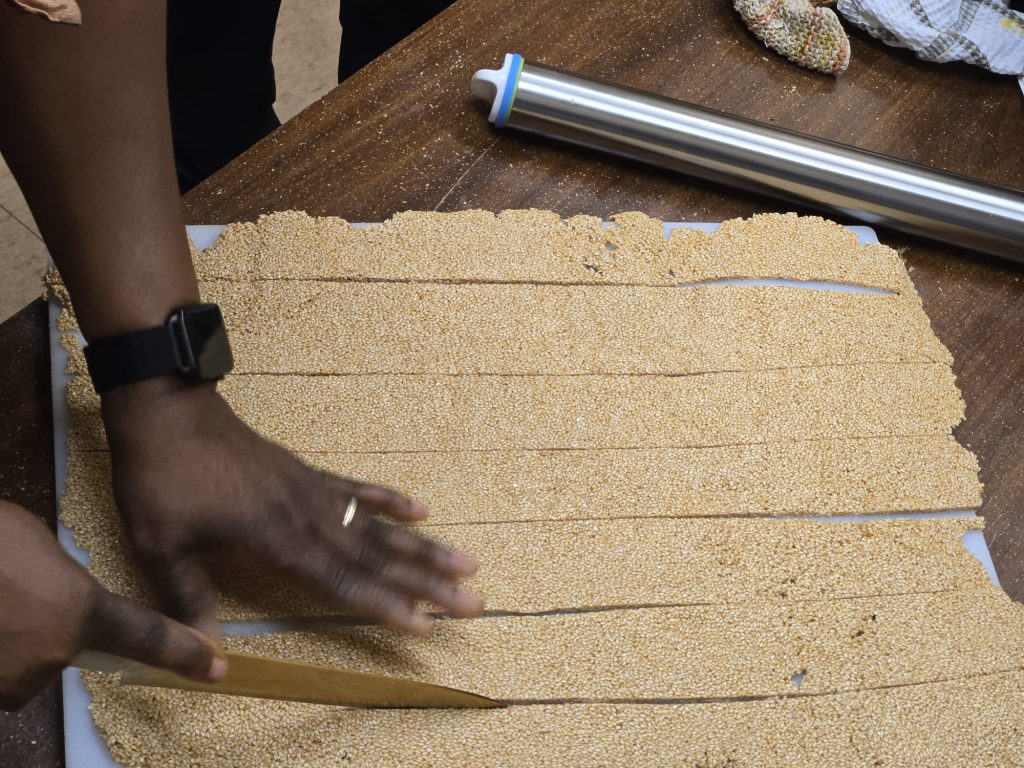
The final day showcased a vibrant cooking session where participants prepared three key dishes: Cassava Leaves, Jollof Rice with Stew, Cakes and Benin Cake. Mrs. Margaret Conteh led the session, supported by Madam Halimatu and Mariatu Kamaras. The atmosphere was filled with excitement, laughter, and learning. Participants not only cooked but also shared a communal meal together, celebrating the fruits of their labor.

The event was attended by over 20 participants, including children, parents, and elders. The sessions received positive feedback from participants who commended the interactive nature of the classes, the practical skills gained, and the cultural stories shared. Parents expressed appreciation for SALNAM’s initiative in promoting cultural preservation, healthy eating, and community engagement among the younger generation.

A participant remarked: “I am happy that my child can now cook okra stew and knows the story behind it — this is how we keep our heritage alive.”

The 2025 Cooking Class for Kids has demonstrated the importance of food as a cultural heritage tool, a health-promoting resource, and a bridge between generations. SALNAM remains committed to organizing future programs that foster cultural education, community engagement, and healthy living.

SALNAM extends sincere appreciation to the following facilitators for their valuable contributions: Mrs. Margaret Conteh, Madam Nyallay Jabati, Madam Halimatu, and Mariatu Kamaras. Special thanks to all participants, parents, and volunteers who made the event a success.

By

Amadu Sidi Bah

EVENTS

Plan of Action Future Leaders DEI Training Program

DEI Program Implementation Plan

A Program Goal and Objective

The DEI program aims to enhance leadership skills, knowledge, and attitudes in youth and adults to support community-led initiatives that promote diversity, equity and inclusion within Manitoba’s multicultural communities.

The program aims to achieve the following objectives:

  1. Equip the participant with the necessary tools to become strong advocates of the values of equity, diversity and inclusion in the community and in their workspaces.
  2. Increase awareness of the participant of the link between leadership styles and the promotion of the values of equity, diversity and inclusion practices.
  3. Motivate participants to play a more active role in promoting activities and initiatives that encourage teamwork, respect for different views and the need to embrace cultural differences as a strength in Manitoba
  4. Enable participants to explore opportunities for cross-cultural collaboration and projects where every voice and opinion matter in community development projects and plans.
  5. Build a strong team of leaders that will serve as role models for other young emerging leaders in the future.
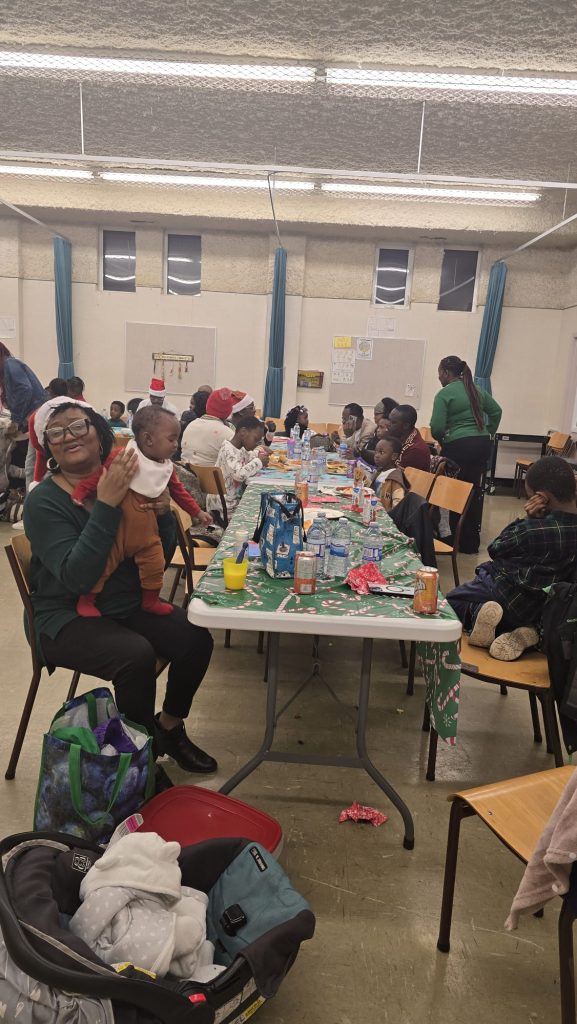
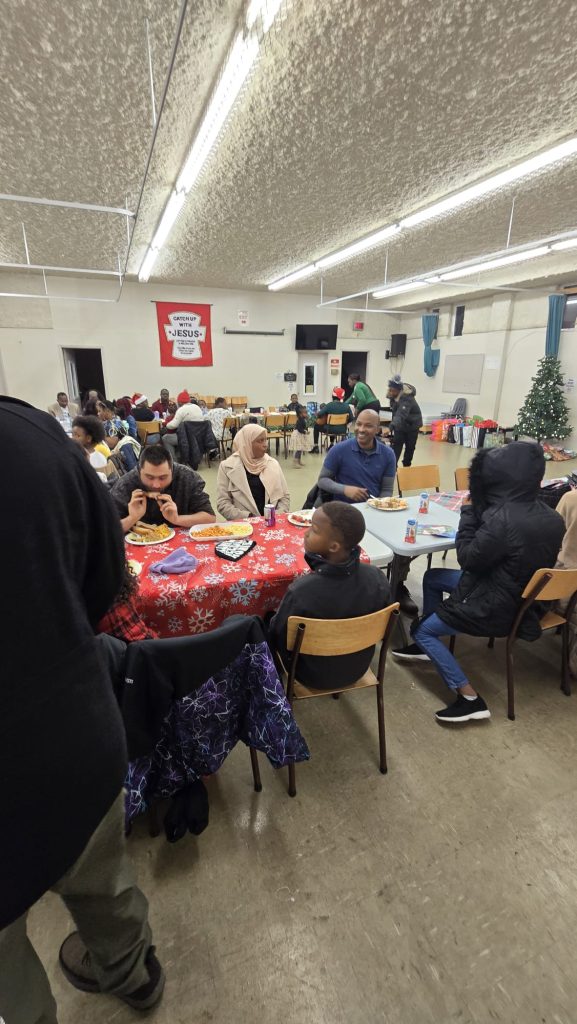
B. Program Methodology.

A dual approach will be used to implement the program. These are:

A.     Leadership Training Workshop

A leadership training workshop will be held to expose participants to critical leadership skills and knowledge around the concept and practices of diversity, equity and inclusion. The session will be interactive, allowing participants to engage in self reflection and other learning activities. Break out and plenary sessions will provide the opportunity for learners to apply the knowledge gained and be able to recognize situations where they would be required to exercise the skills and knowledge learnt during the session.

B.     Community Dialogue session on equity and inclusion.

The session will bring together community members including past and present community leaders to discuss issues of building a more diverse, equitable and inclusive community and the opportunity and barriers to developing a more culturally and inclusive community in Manitoba.

The dialogue circle will enable community members, especially the past leaders, to share their experiences of progress, and challenges of building a more culturally aware and inclusive community. The dialogue will be guided by questions and facilitated in a way that will result in a plan of action of increased awareness of the

challenges and the solutions. The session is anticipated to energize emerging leaders of the importance of stepping forward to exercise leadership roles in consolidating the foundation of strong leadership that will continue to sustain the community programs in the future.

C.     Follow up DEI plan of action

Upon completion of this program, the executive team will plan to host two major interaction events with key notable leaders of the city to speak to the community at a big community event. Notable and respected speakers will be identified to serve as inspirations for the community youths and adults of the community.

They could from either a member of parliament, other cultural community present or past leaders or from a school or cultural organization leadership. Inviting any of these leaders will serve as a tipping point for young leaders to see the display of good leadership in real life situations that will help increase their self- confidence.

Detail Activity Plan with Timelines

Week OneActivitiesDetails
Week One (24- 28 March)Planning and PreparationFinalize activity plan for the workshop and community dialogue circlesContact participant and create a listIdentify, finalize and confirm availabilityPrepare materialsFlyers and promotional materials- newsletter release and emailsIdentify and confirm date and venue for both sessionsConfirm workshop logistics (refreshment and honorarium
Week 2 Leadership capacity session (31- 4 April)Skill building Session Leadership Diversity and inclusive decision makingConduct leadership trainingCover inclusive leadership theories and impact on inclusivityFacilitate breakout sessionsTrainers share their leadership journeyParticipants share their takeaway and begin networkConfirm attendance and venue for the community dialogue sessions
Week 3 (14 April – 19 April)Community dialogue circles on equity and inclusionHost interactive group discussion on past and present experiences of ethical and inclusive leadershipEncourage knowledge sharing and collaborative solutionsDevelop a plan of action for sharing lessons and insights gained from the dialogue sessions
Week 4 (Follow up and reporting (27 Apri-1st May 2025Follow up and reporting of program activities and further stepsAnalyze feedback and session outcomesPrepare final report summarizing key learnings, attendance and impactCreate a plan for the first invited community leaders as guest speakerSubmit final report to the funds and stakeholders

Sponsor By: Canadian Heritage

EVENTS

SALNAM Cooking Lessons

SALNAM Launches Cooking Class for Kids: Connecting Our Children to Sierra Leone Through Food

SALNAM is excited to announce the launch of a special cooking class tailored for Sierra Leonean kids. Scheduled to take place from April 3rd to 5th, 2025, this three-day event is designed to teach children how to prepare and appreciate the traditional dishes of Sierra Leone renowned worldwide for their rich flavors and exceptional nutritional value. Often celebrated as some of the finest cuisine in the West African region, Sierra Leonean food is packed with health-boosting ingredients and vibrant taste profiles that transcend borders.

This program comes at a crucial time. In a world where fast food and convenience meals dominate many families’ diets, immigrant communities often face the challenge of preserving their culinary heritage. Food is one of the most significant cultural traditions that risk being lost over generations if steps aren’t taken to expose younger children to the ingredients, techniques, and flavors of their ancestral cuisine.

Beyond preserving our rich heritage, traditional Sierra Leonean dishes like cassava leaves, potato leaves, okra, and fufu are highly nutritious and serve as a natural counterbalance to the diet-related health issues so prevalent in fast-food-driven environments.

The benefits of this program are multifaceted:

  • Teaching children how to cook traditional meals strengthens their connection to their roots, fostering a strong sense of identity and belonging.
  • Kids who grow up knowing how to prepare the dishes of their ancestral homeland are more likely to pass these culinary traditions on to future generations.
  • Early exposure to wholesome, home-cooked meals encourages healthier eating habits, potentially preventing diet-related illnesses as they grow older.
  • Learning to cook also nurtures family bonds and encourages intergenerational learning, providing an opportunity for elders to share their knowledge and skills with younger members of the community.
  • Moreover, it instills confidence in children, empowering them to share their culture with peers and build bridges across diverse communities in Manitoba.

This initiative isn’t just for kids it strengthens our entire community. It offers meaningful roles for knowledgeable elder women and community members to contribute to preparing the next generation, ensuring that our cultural practices endure.

As our community president aptly puts it:

“By equipping children with the knowledge and skills to cook traditional food, we are not just teaching them how to make a meal we are ensuring the survival of our culinary traditions for years to come.” – Moe Koroma

Article written by Amadu Sidi Bah (SALNAM Editorial Executive Team)

Sponsor By: Province of Manitoba Ethnocultural Community Support Program (ECSP)  
EVENTS

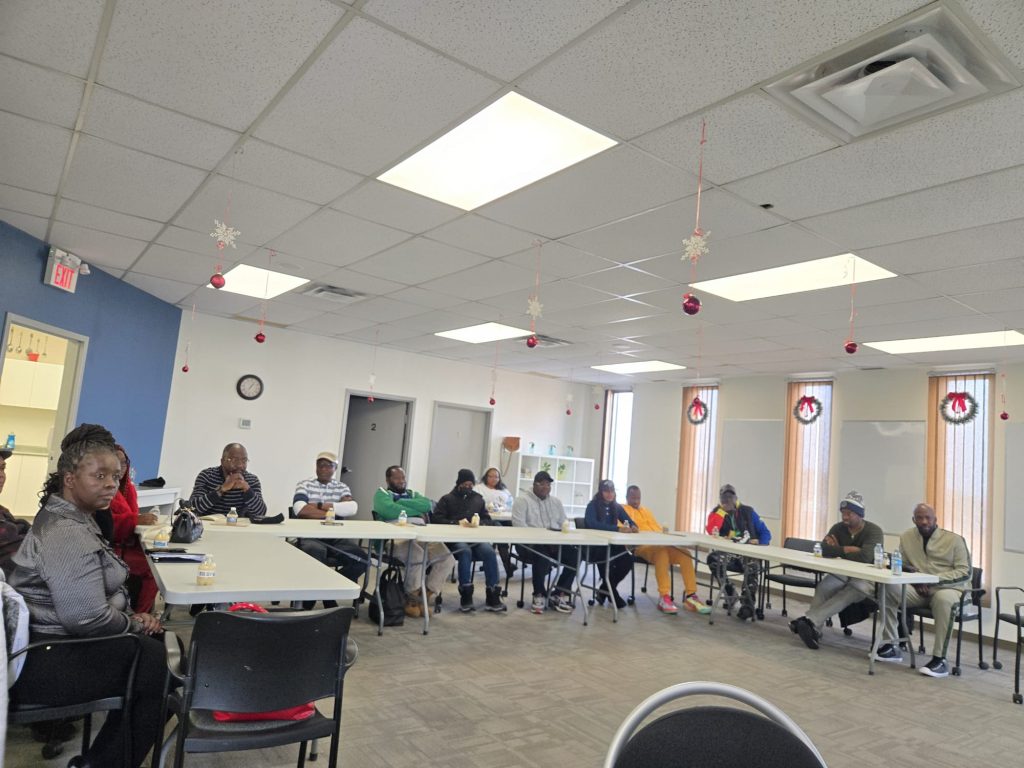
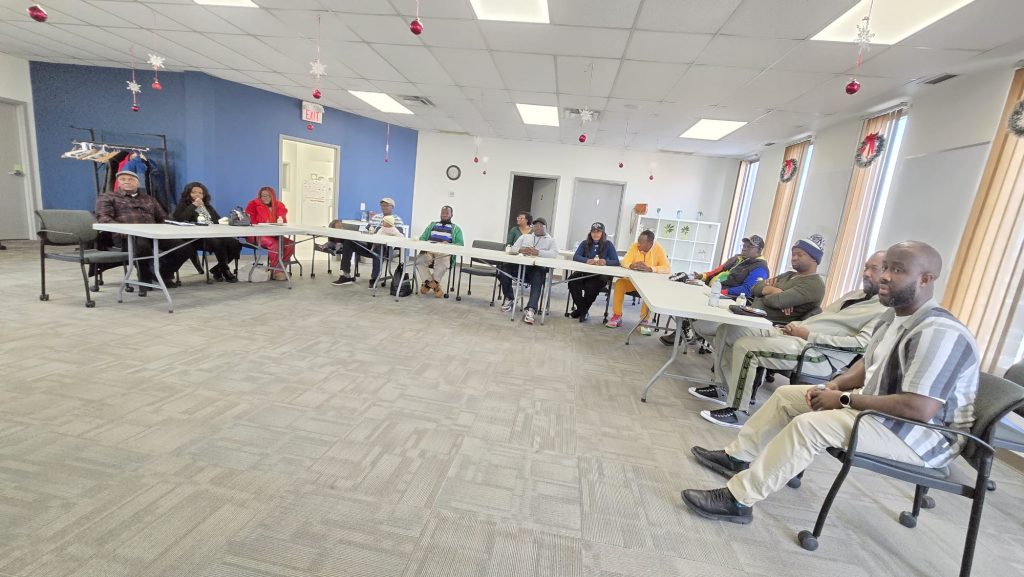
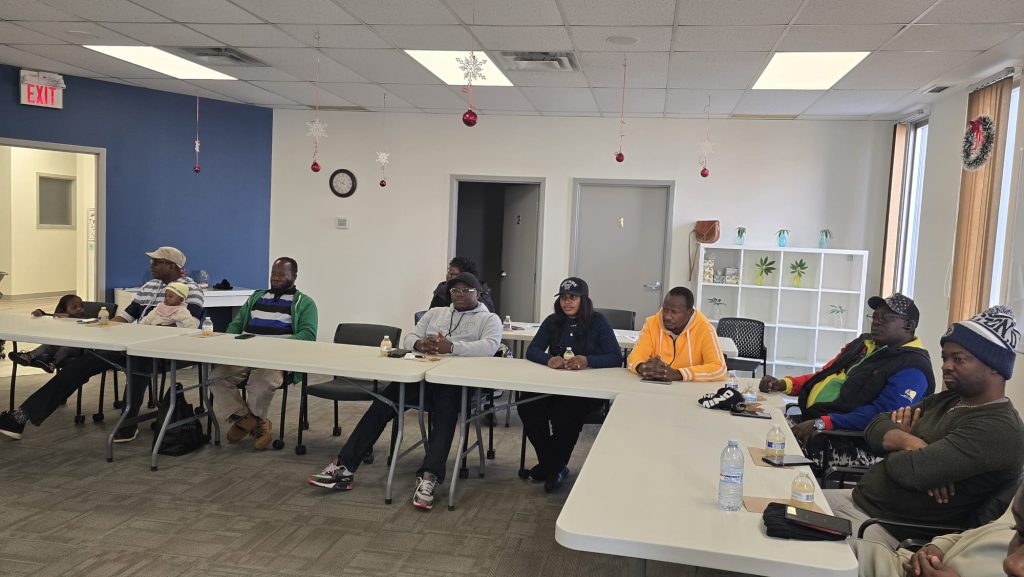
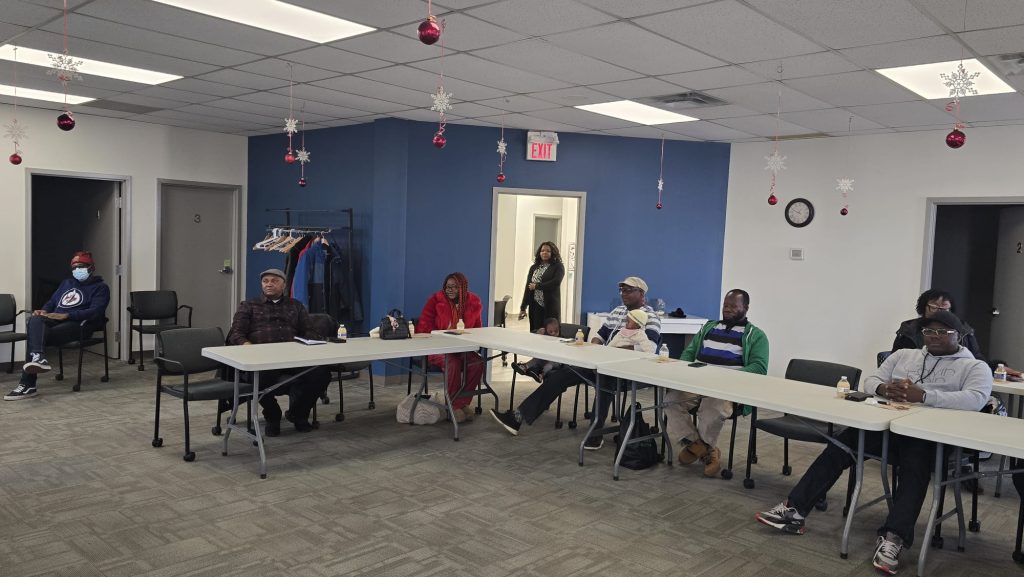
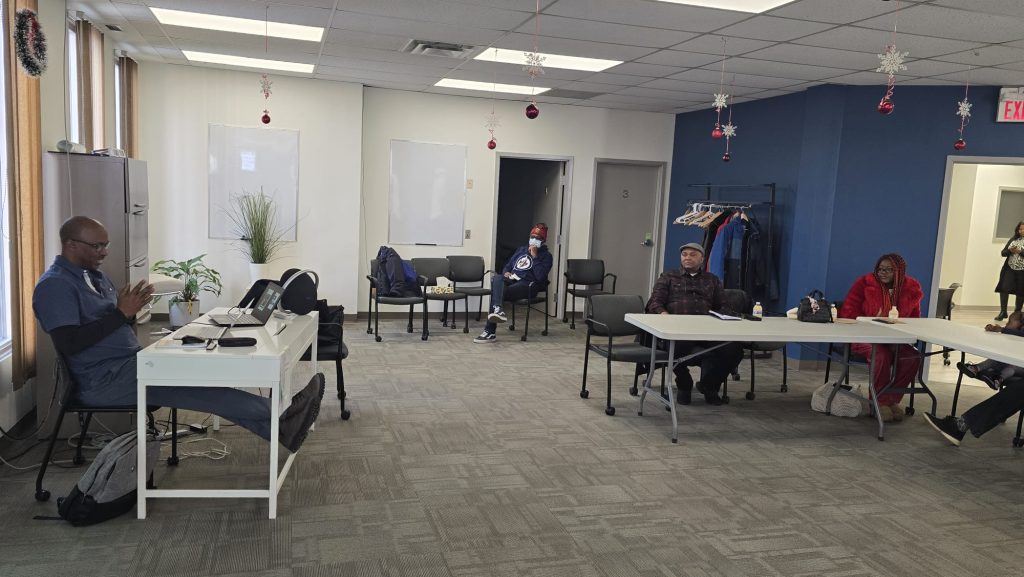
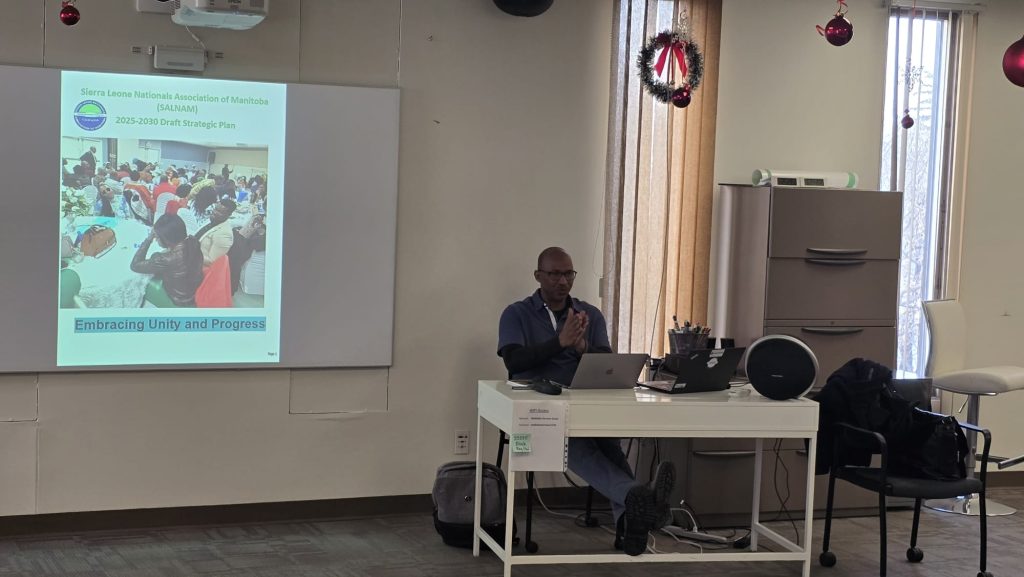
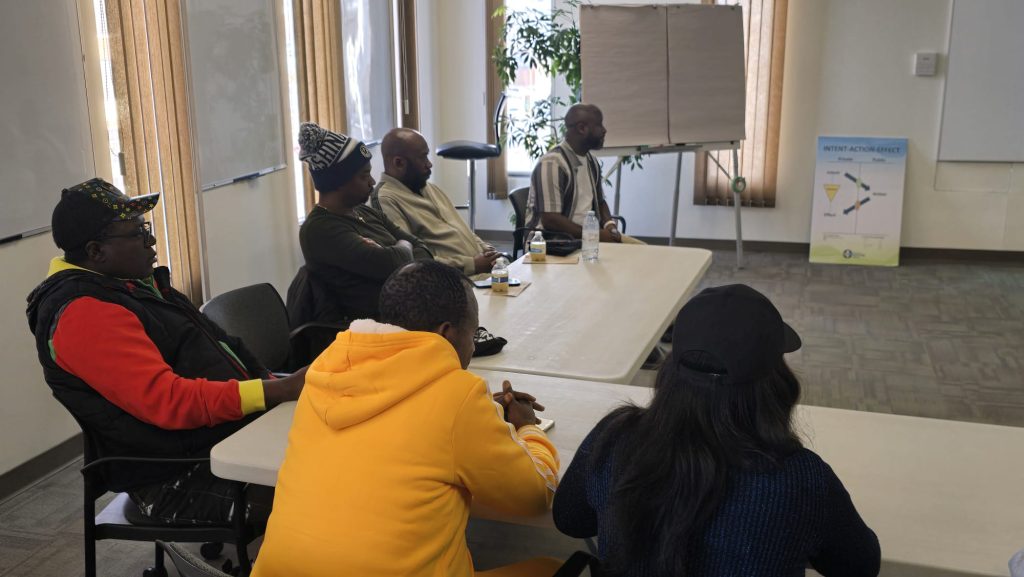
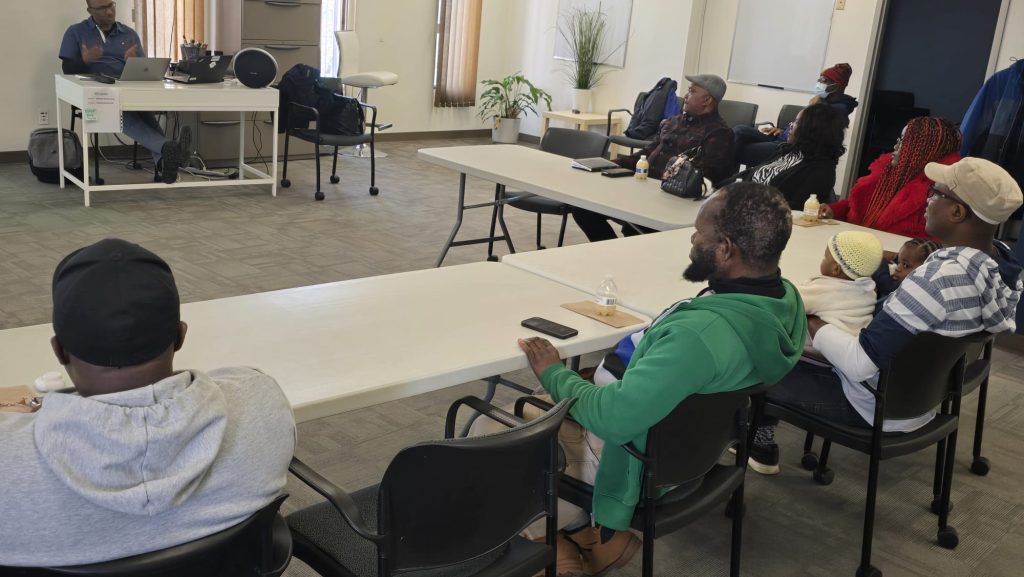
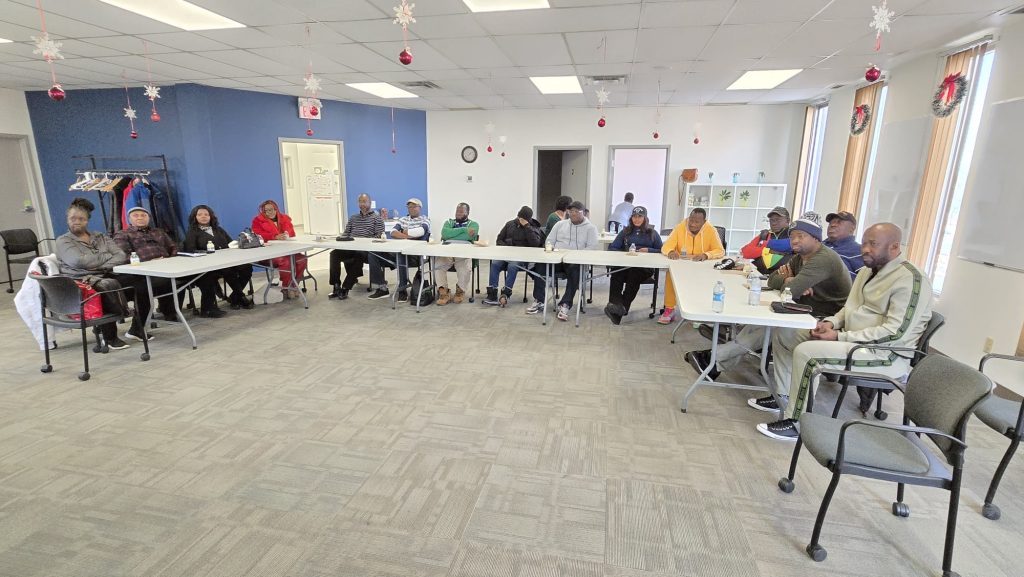
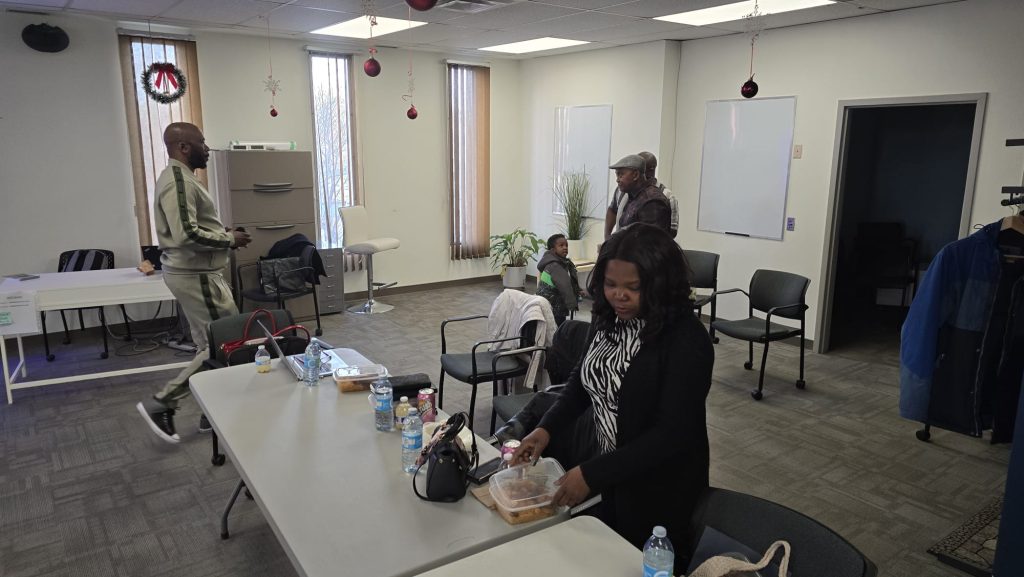
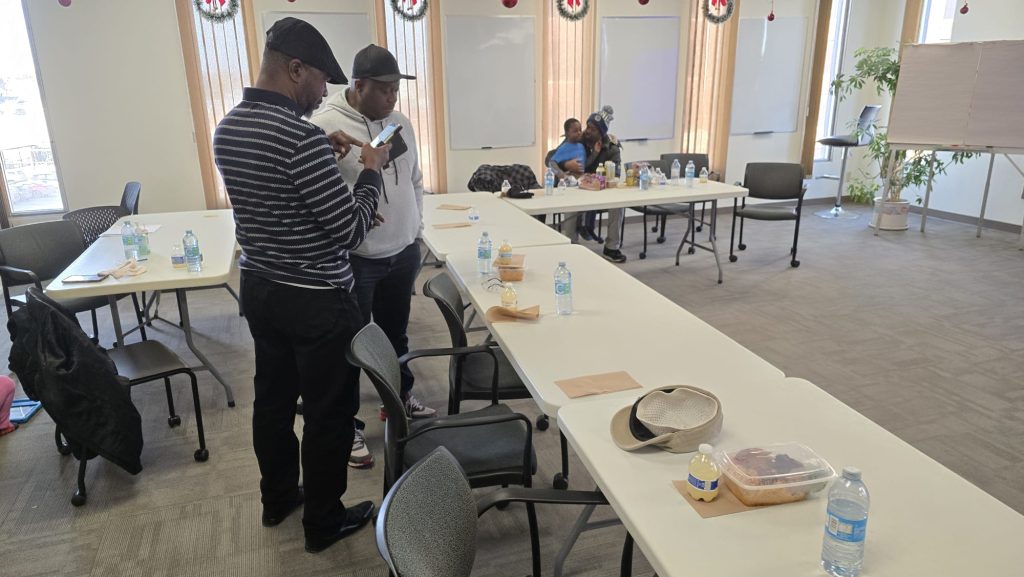
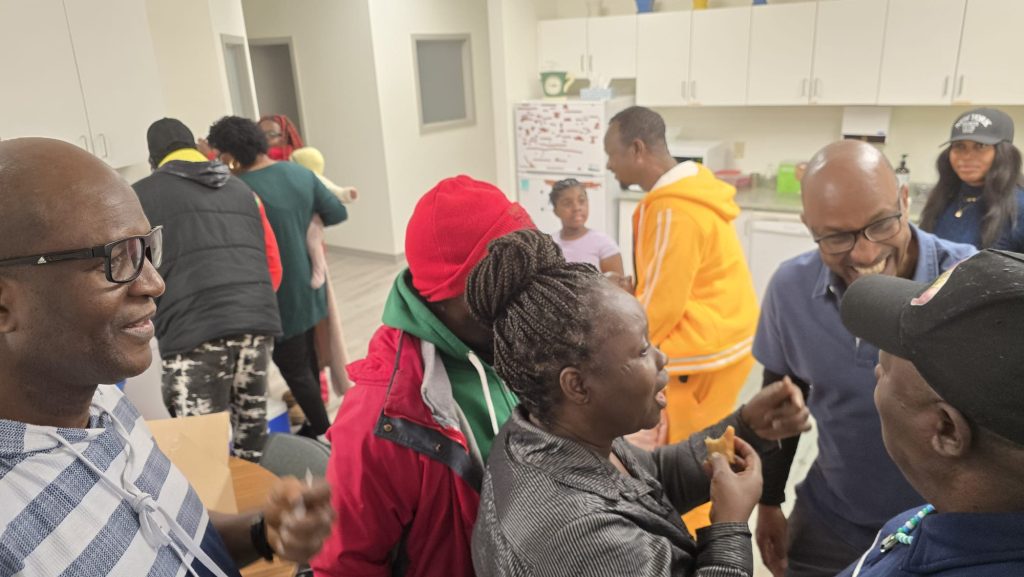
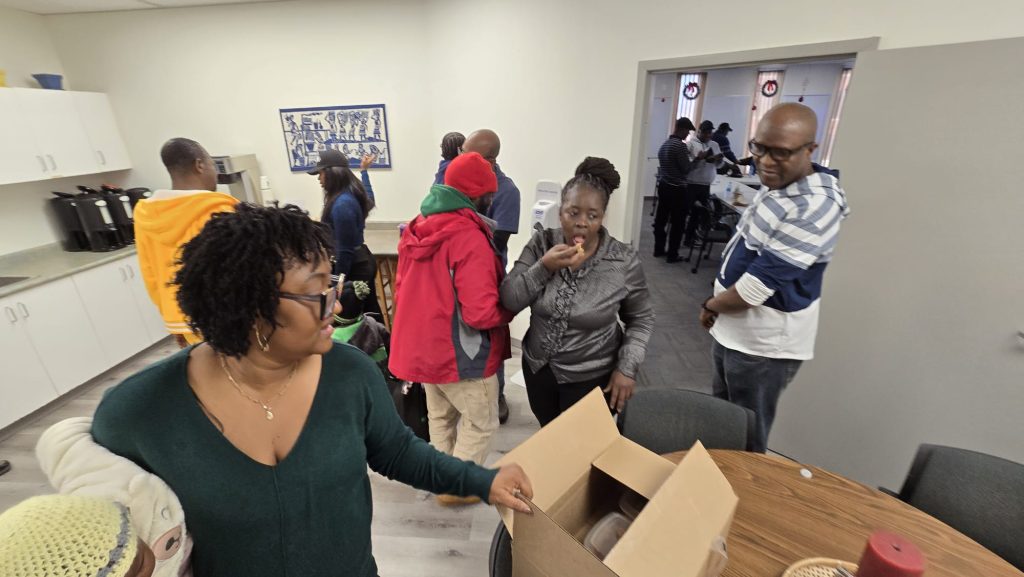
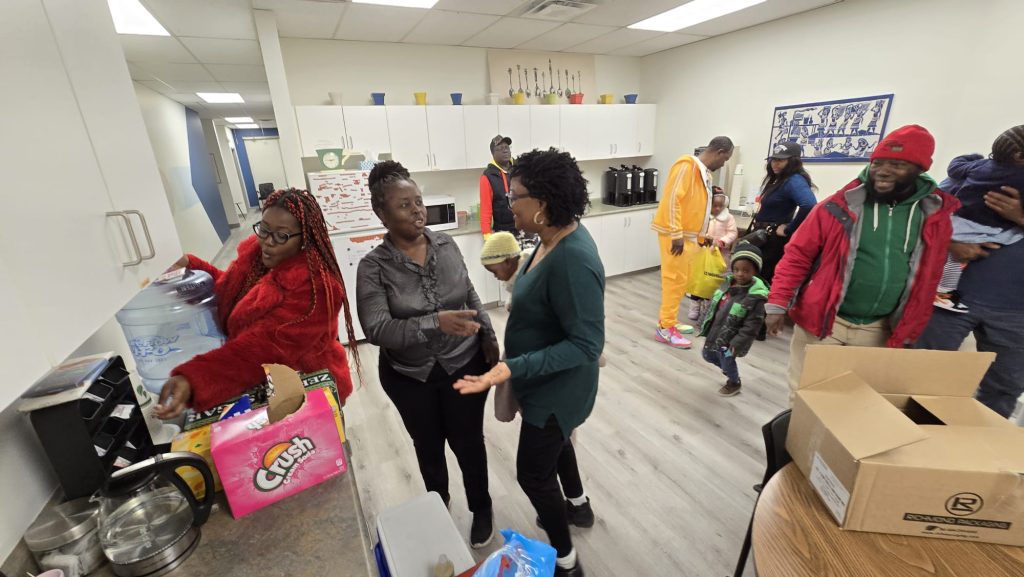
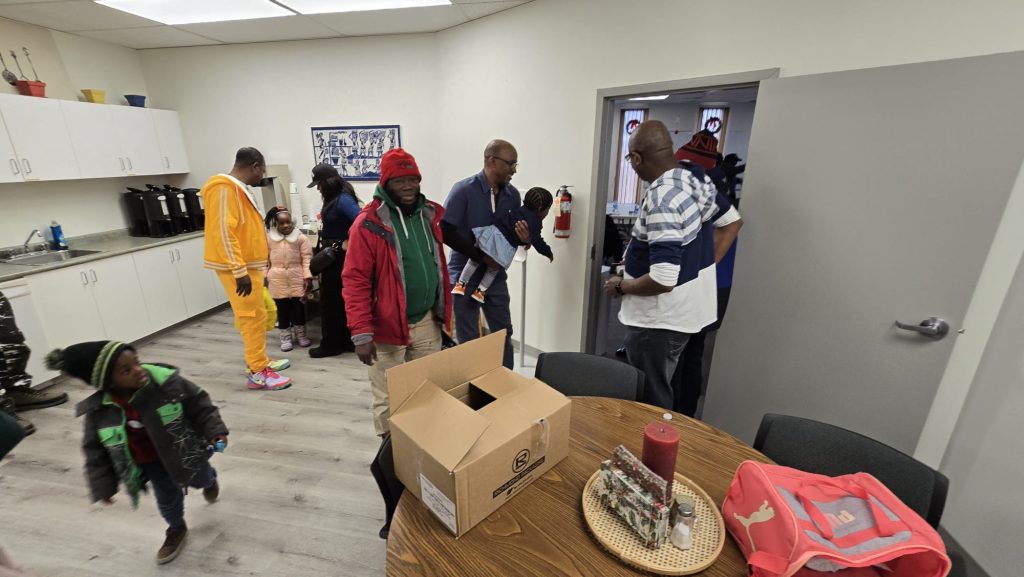
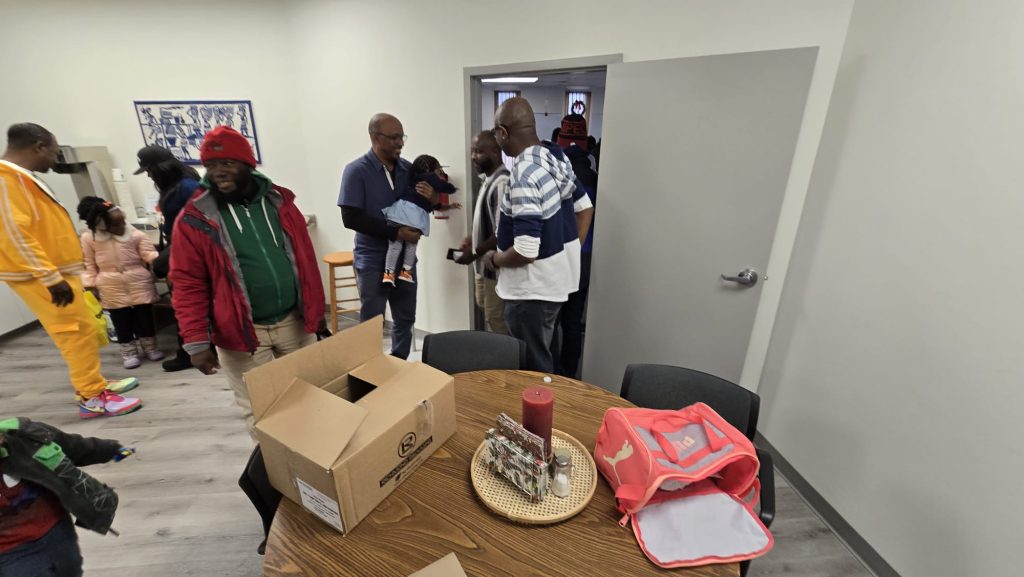
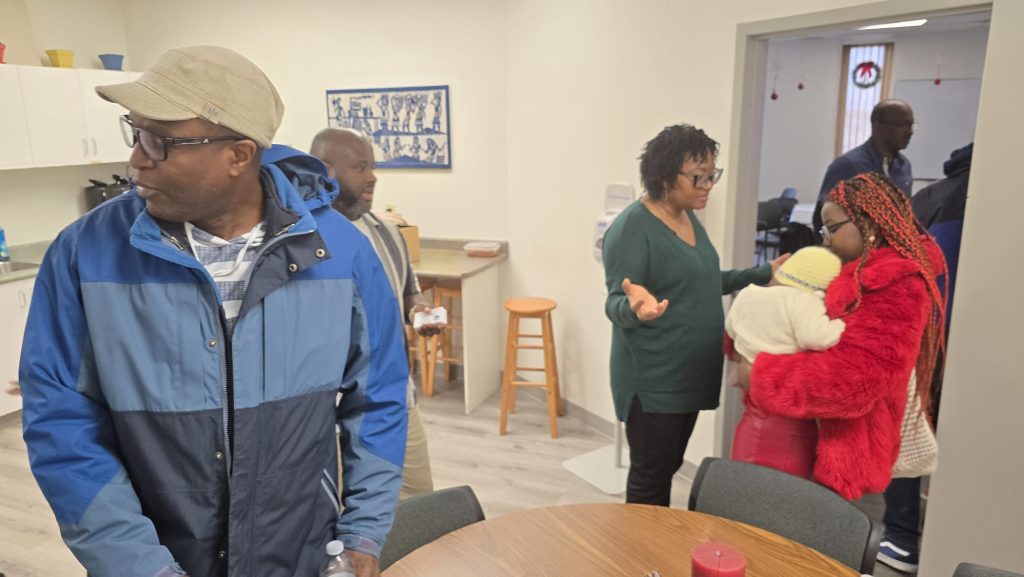
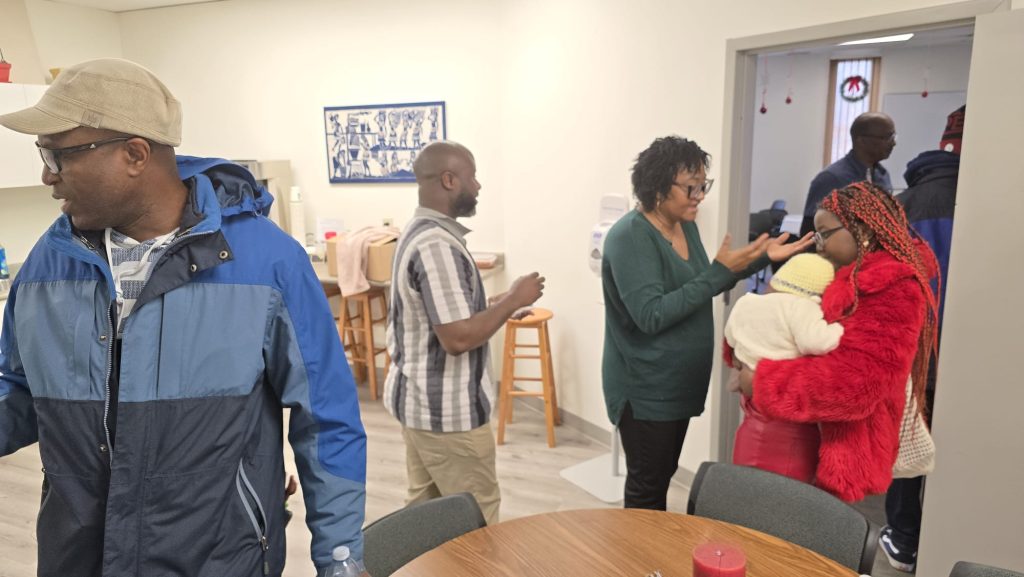
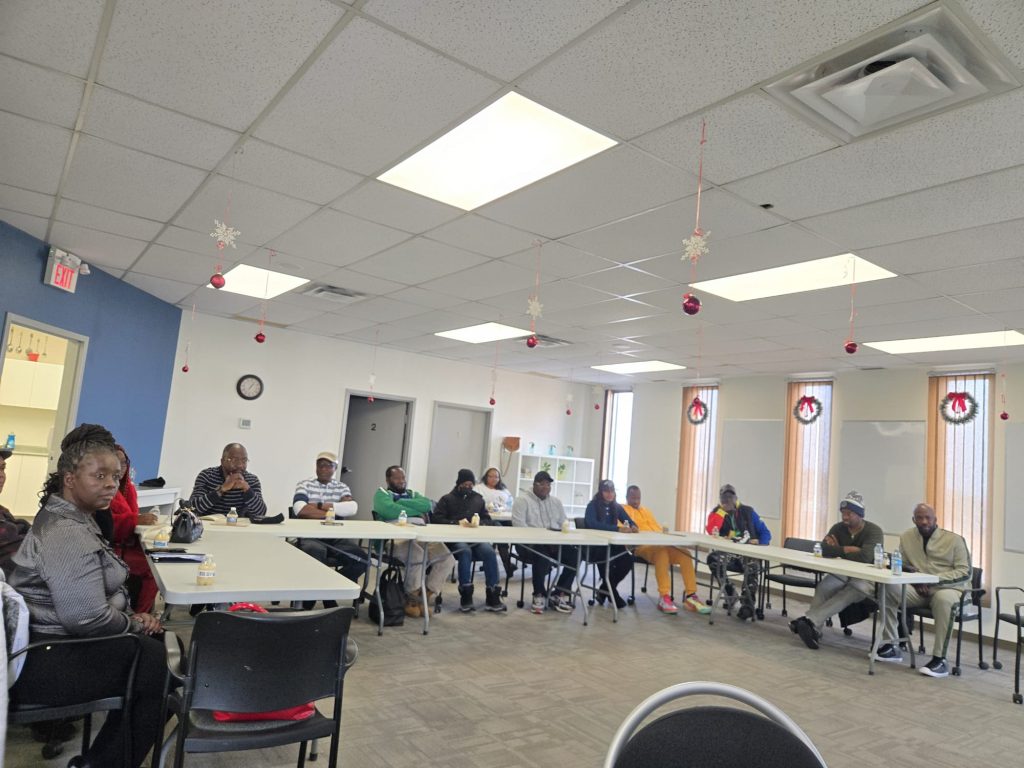
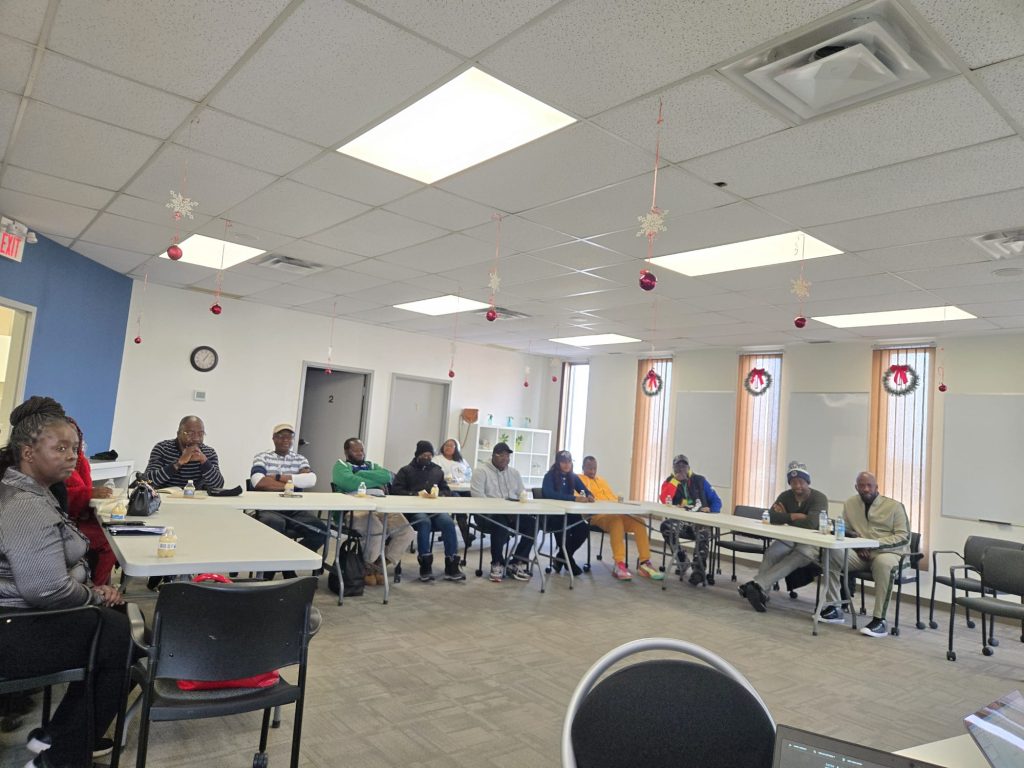
SALNAM Strategic Planning Phase II – Pictures

SALNAM December 07, 2024

EVENTS

SALNAM Strategic Planning Phase II – Report

Community Validation Workshop for the Five-Year Strategic Plan

1200 Portage Ave

December 07, 2024

1. INTRODUCTION AND PURPOSE

The Sierra Leone Nationals Association of Manitoba (SALNAM) recently hosted a follow-up workshop as part of its strategic planning process. This session built on the initial community consultation held in November 2024, which focused on developing a five-year strategic plan.

The workshop’s primary goal was to present a draft version of the strategic plan, created with the expertise of Mr. John Gaye, a strategic consultant from Alberta. The draft plan was shaped by a SWOT analysis conducted with community members, which included an environmental scan to assess the Association’s strengths, weaknesses, opportunities, and threats.

This collaborative process laid the foundation for defining SALNAM’s goals, objectives, and actionable strategies. These elements will guide the Association’s programming, activities, and projects over the next five years (2025–2030).

The session opened with prayers, followed by introductions from each representative in attendance. President Moe Koroma then provided an overview of the workshop’s purpose: to collect feedback on the draft strategic plan and ensure it reflects the needs and expectations of the membership for the next five years.

Mr. Amadu Sidi Bah, the project lead, presented the draft strategic plan, outlining the mission, vision, and the Association’s identified strengths, opportunities, weaknesses, and threats. He highlighted how insights from the community survey informed the plan’s goals, objectives, strategies, and success factors.

The lead consultant facilitated a detailed discussion on the main goal focus areas, linking them to strategies and actions necessary to achieve the goals and measure success. Members engaged in lively debates, providing input on these focus areas and identifying critical elements to include in the final strategic plan.

The discussions also delved into the specific activities and sub-activities required to achieve the outlined goals, with an emphasis on establishing clear timelines and success indicators.

2. PARTICIPANT-AGREED ISSUES FOR CONSIDERATION

Under the “Actions/Priorities” section, participants discussed the sub-item “Enforce due payments.” While some felt that “enforce” implied a punitive approach that might deter members from paying their dues, others found the term too vague. After deliberation, participants agreed that since participation in community events is voluntary, “enforce” should be replaced with “encourage” to foster a more positive approach to dues collection.

The group then explored strategies to incentivize dues payments, including:

• Calling members at regular intervals to remind them to pay their dues.

• Assigning individuals responsibility for contacting a set number of members to follow up on dues payments.

• Engaging household heads, who could encourage their family members and friends to make payments.

• Maintaining the current dues amount of $10 annually, payable through the Association’s existing payment channels.

2.1 Strategic Goal 1: Financial Sustainability

Under the “Actions/Priorities” section, participants evaluated the sub-item “Enforce due payments.” While some viewed the term “enforce” as punitive and unlikely to motivate members to pay their dues, others found it too ambiguous. The group agreed that, given the voluntary nature of participation in community events, “enforce” should be replaced with “encourage” to promote a more supportive and positive approach to dues collection.

The discussion then focused on strategies to encourage timely payment of dues, including:

• Highlighting the benefits of paying dues, such as supporting community programs and initiatives.

• Providing flexible payment options to make it easier for members to contribute.

• Recognizing members who consistently fulfill their dues commitments to inspire others.

2.2 Fundraising Goal

Participants reviewed the fundraising strategies outlined in the draft plan and shared additional insights. Key initiatives included:

• Organizing Africana Night: This cultural event would celebrate the community’s rich heritage and traditions, encouraging broad participation and fostering a sense of pride.

• Establishing a Fundraising Committee: A dedicated committee would oversee event planning, including distributing tickets to members for sale and engaging non-community members to widen the fundraising network.

• Revitalizing Existing Committees: Instead of forming new groups, participants suggested reviewing and strengthening current committees by attracting more committed and enthusiastic members.

• Organizing Sporting Events: Activities like inter-school or inter-neighborhood competitions were proposed to strengthen youth engagement and build connections within the community.

• Maintaining Cost-Sensitive Events: To ensure accessibility, participants emphasized the importance of keeping event costs reasonable to avoid discouraging attendance.

2.3 Empowered and Engaged Community

The discussion focused on enhancing community engagement through participation in Folklorama. Members expressed pride in the young community dancers who perform at social events and proposed the following initiatives:

• Establishing a Folklorama Pavilion: Beginning in 2025, the community could follow the example of the Ghanaian community by creating its own pavilion at Folklorama. This initiative would involve a phased approach, including conducting feasibility studies, learning from the Ghanaian community’s experience, and developing a strategic action plan.

• Forming a Cultural and Entertainment Committee: A dedicated committee, comprising executive members and community representatives, would be established to oversee planning and execution, ensuring the success of this initiative.

2.4 Youth Empowerment

To support and empower the community’s youth, participants proposed the following initiatives:

• Organizing Youth-Focused Social Events: Activities such as renting gyms or basketball courts for friendly competitions would help foster connections among young people.

• Exploring Collaborative Programs: Adopting models like those in the Elmwood community and pursuing potential collaborations or partnerships to expand opportunities for youth.

• Encouraging Participation in the African Cup of Nations: Prioritizing youth involvement in this event to promote community pride and engagement.

• Enhancing Job Opportunities: Increasing access to employment opportunities and creating jobs specifically targeted at young people.

• Focusing on Summer Programming: Developing these initiatives during the summer months, which were identified as the most suitable period for youth engagement.

2.5 Collaboration and Networking with Other Communities

Key points raised included:

• Attending independence events of other African nationalities in Manitoba.

• Sharing information about these events through various communication channels, such as social media.

• Establishing an electronic monthly bulletin.

• Organizing a cultural night to showcase the community’s diverse values and practices.

• Expanding the volunteer base to support Association activities.

2.6 Visits to Community Members

Participants emphasized the importance of visiting community members to promote unity and belonging. Suggestions included:

• Complementing visits with phone calls.

• Focusing visits on seniors, vulnerable individuals, and the sick.

• Organizing visits to involve other community members.

• Targeting non-active members to understand their lack of participation and seek their commitment.

2.7 Seniors’ Empowerment

With the growing senior population, representatives discussed effective programs, including:

• Organizing online meetings on topics like accessing benefits and online fraud awareness, extending these initiatives to newcomers and the broader community.

• Actively involving seniors in all social events.

NEXT STEPS

The SALNAM team outlined the next steps toward finalizing the strategic plan:

• Incorporating community feedback into the draft plan.

• Collaborating with the consultant to finalize the strategic document.

• Printing and launching the final plan during the end-of-year celebrations.

3. WORKSHOP CLOSING

The workshop concluded with a vote of thanks delivered by the president and vice president. Food and refreshments were served, and the workshop ended at 3:00 PM.

Download Report: https://drive.google.com/file/d/1wvxgewAqzhFIAs0N9A_7_1BS7tMyTXLH/view?usp=drive_link